
Longevity Noodles – Celebrate Chinese New Year with Good Luck!
Last Updated on May 8, 2026 by aitanarecipez
As the New Year approaches and the scent of festive foods fills the air, I find myself reminiscing about a cherished tradition: crafting longevity noodles. The experience is more than just cooking; it’s a beautiful homage to good fortune, health, and the joy of togetherness. Imagine watching the delicate dough stretch into long, silky strands under your fingers, each movement symbolic of wishes for a long life ahead. With just four simple ingredients and no special tools required, you too can create this delightful dish that not only impresses but also nourishes the spirit. Perfect for birthday celebrations or lively New Year gatherings, these chewy noodles are bound to become a treasured recipe in your kitchen! Let s dive into making longevity noodles, the ultimate lucky food that brings a slice of tradition to your table.
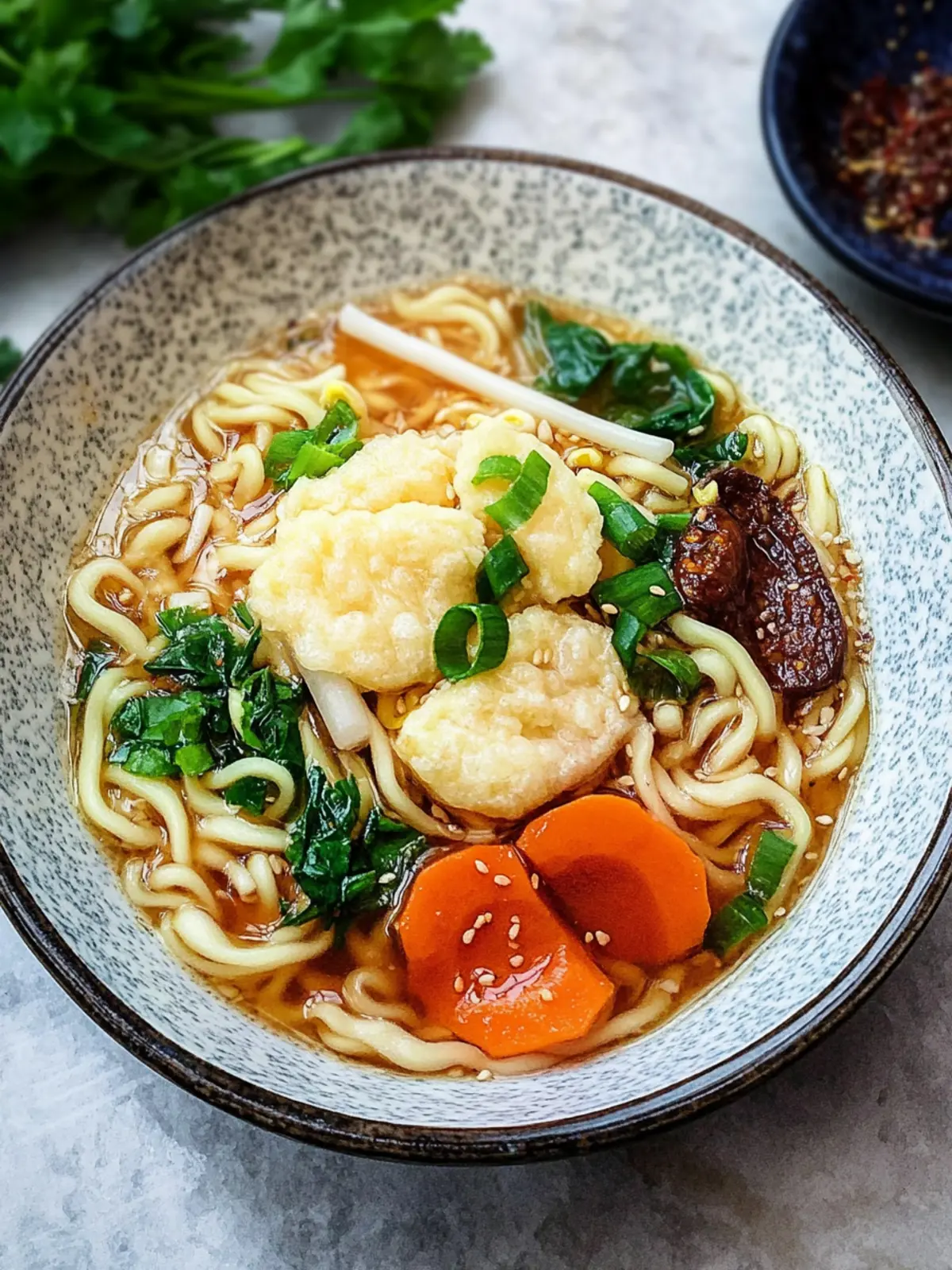
Why love longevity noodles for celebrations?
Simplicity at Its Best: This recipe uses only four ingredients, making it approachable for cooks of any skill level.
Cultural Significance: Longevity noodles are traditionally associated with good luck and long life, perfect for celebrations like the Chinese New Year and birthdays.
Versatile Dish: Enjoy them in a light broth, topped with seasonal vegetables or vegan options; the possibilities are endless.
Impressive Texture: Chewy and smooth, these handmade noodles will elevate your dining experience and impress your guests.
Time Well Spent: In just about two hours, you can create a dish that brings joy and nourishment to your table. Don’t miss out on this delightful addition to your culinary repertoire!
Longevity Noodles Ingredients
Perfect for celebrating good luck!
For the Noodles
- All-Purpose Flour Provides structure and chewiness for the noodles; high-gluten is recommended for the best results.
- Water Hydrates the flour, forming gluten for noodle elasticity; use cold water to maintain dough strength.
- Salt Enhances flavor and improves dough texture; essential for achieving the right elasticity.
- Vegetable Oil Lubricates hands to prevent sticking; any neutral oil like canola or corn works well.
Optional Add-ons
- Bok Choy A delicious, crunchy addition; steam during the last few minutes for a vibrant taste.
- Mushrooms Add depth of flavor; toss them in while boiling for a savory kick.
Bring home the tradition of longevity noodles and begin crafting your culinary masterpiece today!
How to Make Longevity Noodles
Combine ingredients: In a large mixing bowl, combine all-purpose flour, cold water, and salt. Use chopsticks or a spatula to mix well, ensuring a consistent texture.
Knead the dough: With clean hands, knead the dough for about 5 minutes until it forms a rough but cohesive mass. This will activate the gluten, giving your noodles that perfect chewy bite.
Let it rest: Cover the dough with plastic wrap and let it rest for 15 minutes. This step is crucial as it allows the gluten to relax, making the dough easier to work with.
Knead again: After resting, knead the dough for an additional 3 minutes, then cover it again and let it rest for another 15 minutes to enhance elasticity.
Smooth it out: Once the second resting period is over, knead the dough until smooth, which should take about 3 minutes. You want a soft and stretchy dough here!
Shape the dough: Poke a hole in the center of the dough and stretch it gently into a ring. Take your time this part is all about creating that iconic noodle shape.
Stretch into noodles: Use lubricated hands to stretch the ring into one long noodle. If it becomes tough to stretch, allow it to rest briefly before trying again.
Cut into pieces: When stretched to approximately 3 meters (about ½ inch thick), tear it into noodle ropes of your desired length.
Coil with oil: In a large bowl, coil the noodles and drizzle with vegetable oil, making sure each layer is coated to prevent them from sticking together.
Final rest: Cover the coils and let them rest for 1 hour, or refrigerate overnight to allow the flavors to deepen and improve texture.
Boil the noodles: Bring a large pot of water (at least 5 quarts capacity) to a boil, then reduce it to a simmer.
Stretch before cooking: Before adding to the pot, stretch the noodle gently to maintain its length, ensuring a lovely texture once boiled.
Cook: Boil the noodles for 5-6 minutes or until cooked. You can toss in bok choy and mushrooms during the last few minutes for extra flavor.
Serve warm: Strain the noodles and serve in a bowl with your choice of toppings for a comforting noodle soup.
Optional: Top with fresh chopped scallions or a sprinkle of sesame seeds for extra flavor!
Exact quantities are listed in the recipe card below.
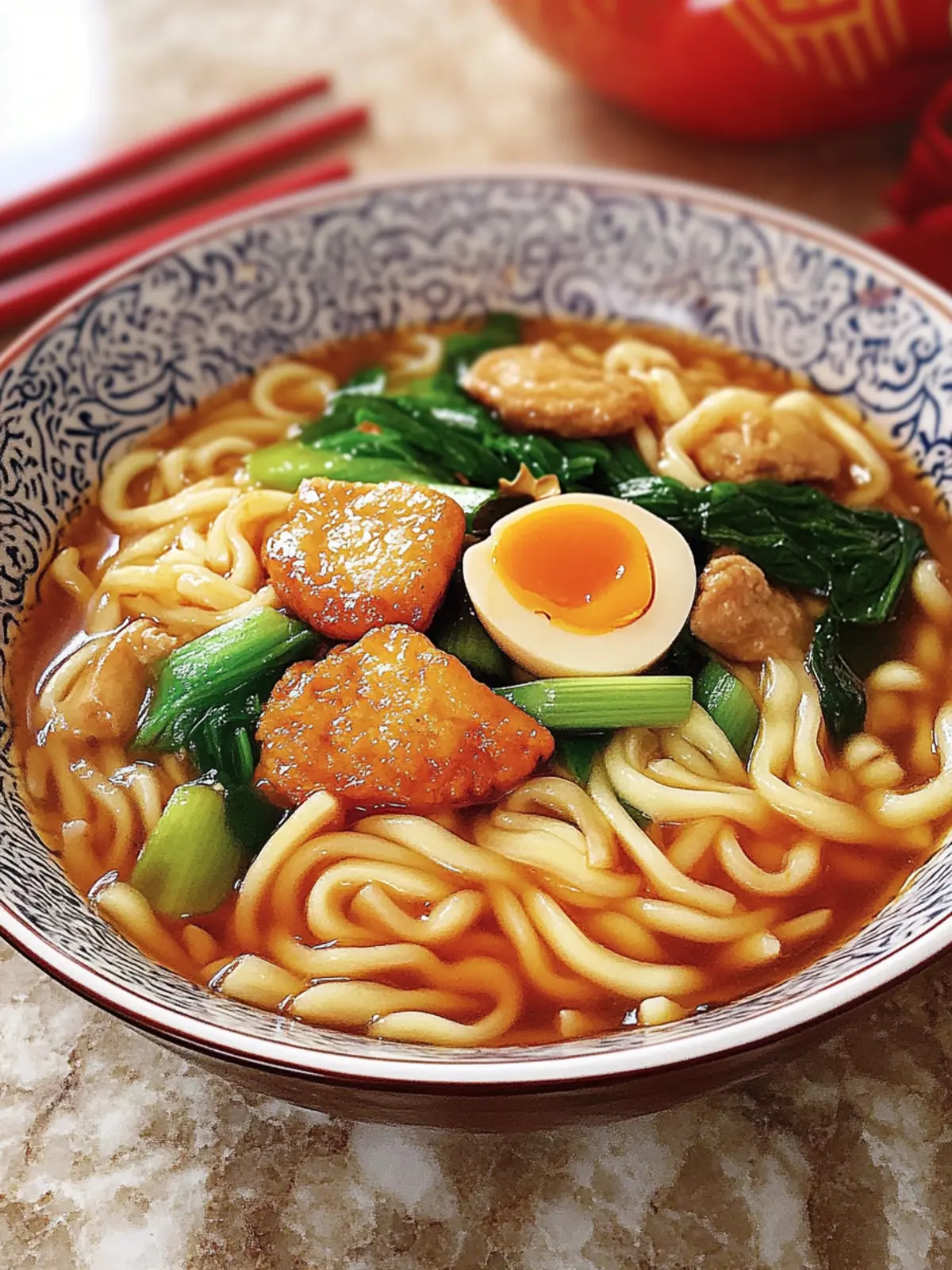
Expert Tips for Longevity Noodles
Use High-Gluten Flour: This is essential for achieving that perfect stretch. Low-protein flour will result in breakable noodles.
Cold Water Matters: Always use cold water when mixing, as it helps maintain gluten strength and creates a firmer dough for longevity noodles.
Resting is Key: Don t skip the resting periods! They significantly enhance dough elasticity, making it easier to stretch and shape your noodles.
Gentle Stretching: When pulling the dough into longer noodles, stretch gently and let it rest if it gets too tough patience pays off!
Tear and Repair: If your noodle tears during stretching, simply pinch or fold it back together; it s all part of the handmade charm!
Storage Tips for Longevity Noodles
Fridge: Uncooked, coiled longevity noodles can be stored in the fridge for up to 24 hours. Be sure to wrap them tightly to prevent drying out.
Freezer: For longer storage, place uncooked noodles in an airtight container or a freezer bag. They can be frozen for up to 1 month.
Reheating: To reheat cooked noodles, quickly stir-fry or boil them for just a minute to warm through. Avoid prolonged heat, which can lead to mushiness.
Shelf Life: Cooked noodles should be consumed within 1-2 days when stored in an airtight container in the fridge to maintain optimal texture and flavor.
What to Serve with Longevity Noodles?
As you prepare to enjoy these delightful strands of good fortune, consider some tantalizing accompaniments that will elevate your meal to a celebration of flavors.
- Vibrant Bok Choy: Lightly steamed, this crisp green balances the hearty noodles, adding freshness and a pop of color to your bowl.
- Savory Mushrooms: Whether shiitake or button, sautéed mushrooms lend an earthy depth that complements the chewy noodles beautifully.
- Fragrant Vegetable Broth: A light, homemade broth infused with ginger and garlic acts as the perfect base, enhancing the long life legacy of the noodles.
Serve your longevity noodles in a bowl steaming with broth, topped with a medley of bok choy and mushrooms. Each bite embodies warmth, favoring togetherness and prosperity on your table.
- Sesame Oil Drizzle: A finishing touch of toasted sesame oil adds a nutty aroma, enriching the dish with complexity and a delightful sheen.
- Spicy Chili Flakes: For those who love a kick, a sprinkle of chili flakes invigorates the dish with heat, creating a delightful contrast to the mellow flavors.
- Refreshing Pickled Ginger: Tangy and sweet, pickled ginger acts as a palate cleanser, enriching your dining experience with each soothing bite.
- Crisp Spring Rolls: Pairing the noodles with fresh spring rolls adds a textural crunch and a variety of flavors that keep your taste buds dancing.
- Sweet Red Bean Paste Dessert: End your meal on a sweet note with a traditional dessert, providing a lovely balance to the savory noodles.
Each of these pairings will round out your meal, inviting joy and celebration, making your longevity noodles even more unforgettable.
Longevity Noodles Variations
Embrace the flexibility of this recipe, and let your creativity shine through each delightful twist and turn.
Whole Wheat: Substitute half of the all-purpose flour with whole wheat flour for a nutty flavor and extra fiber.
Gluten-Free: Use a gluten-free flour blend to enjoy this dish without the gluten; just adjust the water amount for dough consistency.
Spicy Kick: Add chili oil or red pepper flakes into the dough for a subtle heat that awakens the palate.
Herb Infusion: Knead in finely chopped herbs like cilantro or green onions for a fresh flavor and vibrant color.
Savory Umami: Incorporate a splash of soy sauce into the dough for depth, pairing beautifully with the broth.
Extra Chewy: For an even more textured noodle, mix in vital wheat gluten with your all-purpose flour.
Zesty Lemon: Grate a bit of lemon zest into the dough for a refreshing twist that brightens every bite.
Vegetable Variations: Toss in finely shredded vegetables like carrots or spinach to the noodles for added color and nutrition.
Each variation brings its own story to the table so gather your ingredients, and let the celebration of flavors begin!
Make Ahead Options
These longevity noodles are ideal for meal prep, making your celebrations much smoother! You can prepare the raw noodle dough up to 24 hours in advance; simply follow the recipe through the coiling step, then cover tightly with plastic wrap and refrigerate. This allows the flavors to deepen while maintaining their chewy texture. When you’re ready to enjoy, boil the coiled noodles as directed just remember to stretch them a little before adding them to the pot for the best results. This prep-ahead strategy ensures you ll have delicious longevity noodles on hand, perfect for a quick weeknight meal or a special occasion without the stress!
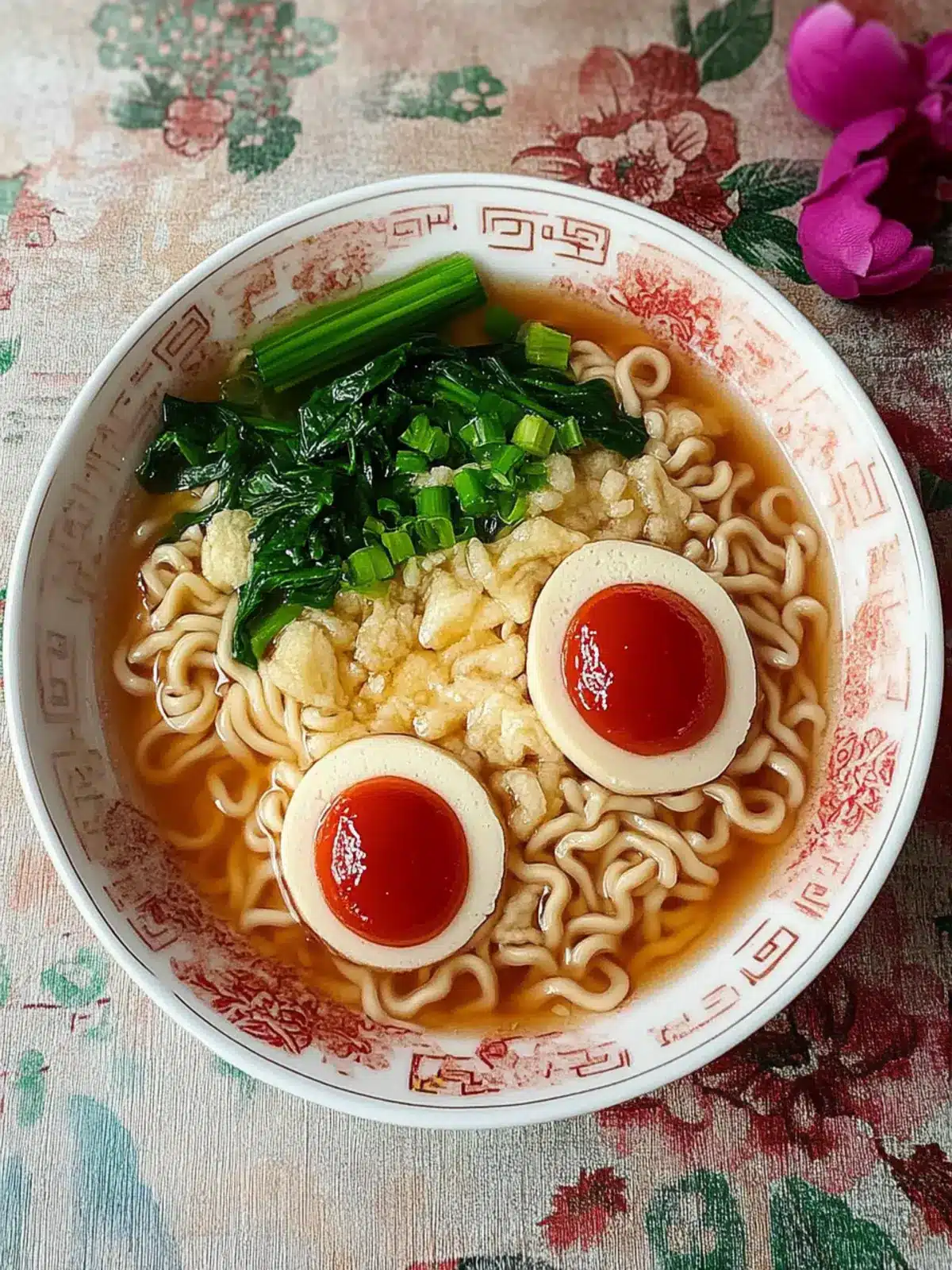
Longevity Noodles (Long Life Noodles) Recipe FAQs
How do I know if my ingredients are fresh enough to use?
Absolutely! For the best longevity noodles, choose flour that is high-gluten and not past its expiration date. Check the water’s clarity filtered is best. Salt should be dry without clumps, and vegetable oil should be clear without any rancid smell. Fresh ingredients will ensure your noodles have the right texture and flavor.
What is the best way to store uncooked longevity noodles?
Uncooked longevity noodles can be stored in the fridge for up to 24 hours. Just wrap them tightly in plastic wrap or place them in an airtight container to keep them from drying out. If you need to store them longer, consider freezing them.
Can I freeze longevity noodles for later use?
Very! To freeze uncooked longevity noodles, coiled them then place them in an airtight container or a freezer bag, ensuring you remove as much air as possible. They can be frozen for up to 1 month. When you’re ready to use them, there’s no need to thaw; just drop them directly into boiling water for cooking!
What should I do if my noodles tear while stretching?
It’s okay this happens! Simply pinch or fold the torn edges back together, ensuring they are properly aligned. You can also let the dough rest for a minute or two to relax the gluten, making it easier to stretch again without tearing.
Are longevity noodles safe for my pet dieter?
While longevity noodles contain common ingredients that are generally safe for pets in small amounts, it s best to avoid giving them to pets altogether especially ones containing salt. Always stick to pet-approved snacks and foods for their health!
Can I make longevity noodles gluten-free?
Yes! For a gluten-free option, you can experiment with gluten-free all-purpose flour blends. Just note that the texture will differ, so you might need to adjust the amounts of water and ingredients. Add xanthan gum for elasticity, although the stretchy nature may not be quite the same as using high-gluten flour.