
Korean Winter Soup: Cozy Beef Brisket in Spicy Bliss
Last Updated on May 8, 2026 by aitanarecipez
As the chilly wind howls outside, there’s something incredibly comforting about the scent of beef brisket simmering in a spicy broth. I came across this delightful Korean Winter Soup during a cold evening spent reminiscing about family gatherings, where hearty meals would bring everyone together. With tender chunks of brisket and a medley of fresh vegetables, this dish captures the essence of winter warmth in every bowl.
Perfect for dark evenings or when you re simply in need of a comforting meal, this soup is not only easy to make but also bursting with rich umami flavors that dance on your palate. Whether shared with loved ones or enjoyed solo while wrapped in your coziest blanket, each spoonful is a reminder that homemade food can bring immense joy. So let’s dive into this heartwarming recipe that promises to become a staple in your cold-weather cooking!
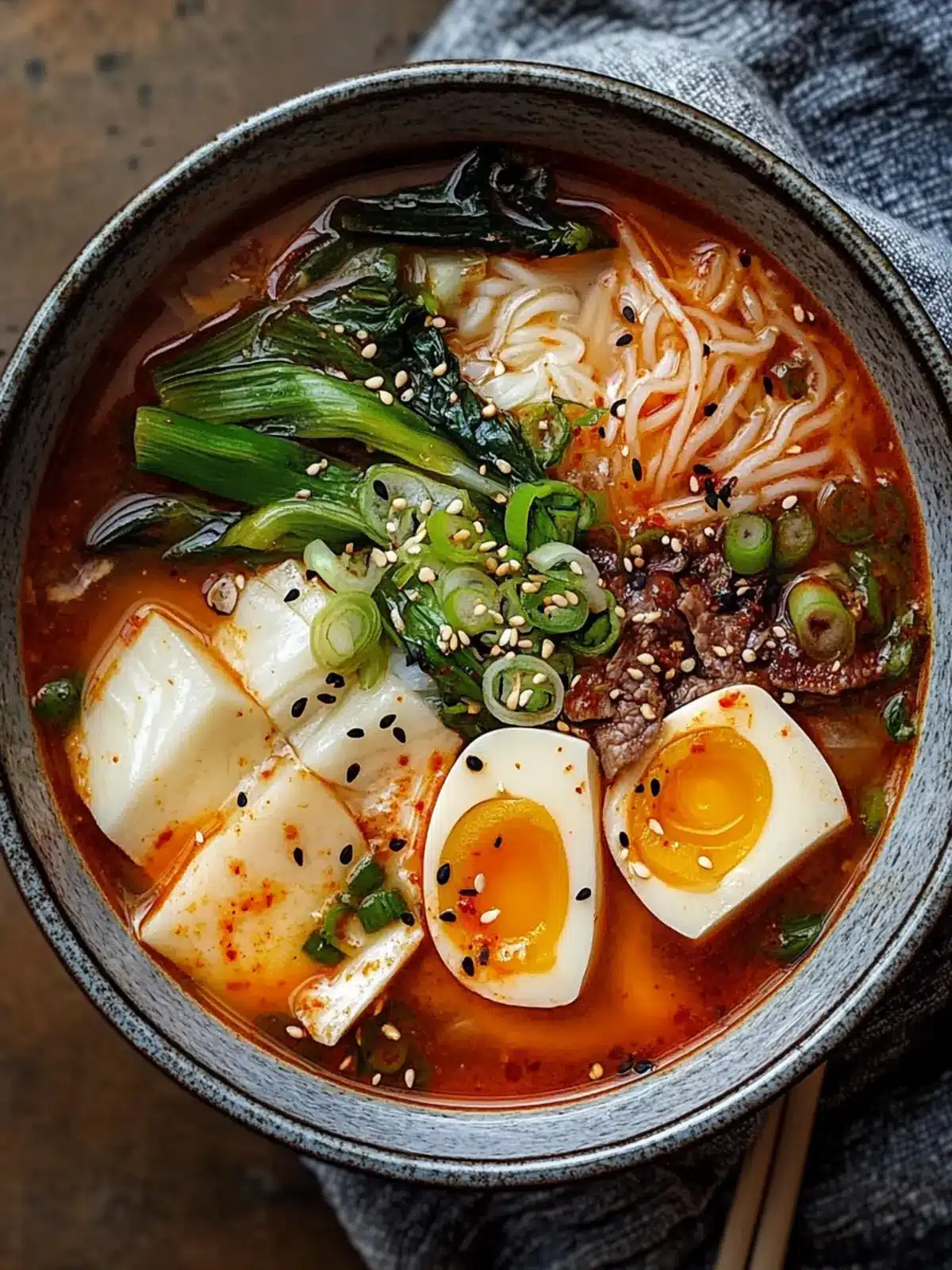
Why is Korean Winter Soup a must-try?
Comforting Warmth: This Korean Winter Soup envelops you in cozy vibes, perfect for chilly evenings.
Hearty Ingredients: With succulent beef brisket and seasonal vegetables, every bowl is a treasure trove of flavor.
Flavor Explosion: The rich umami and spicy kick from gochujang create a deeply satisfying experience.
Quick Prep: Don t worry about complicated steps; this recipe simply asks for your love of cooking!
Meal Prep Friendly: Make a big batch to savor throughout the week or share with friends for a warm gathering.
Dig deeper into the world of warming dishes by exploring more delicious options with comfort food ideas.
Korean Winter Soup Ingredients
For the Soup Base
- Beef Brisket Provides a rich, meaty essence to the soup; chuck roast or short ribs can also be used for added flavor.
- Water The base for creating a savory broth; no substitutions.
- Soy Sauce Adds salty umami depth; use tamari for a gluten-free version.
- Gochujang (Korean Red Pepper Paste) Imparts a sweet-spicy kick and vibrant color; a mix of miso paste and chili powder can be substituted, though this alters the flavor profile.
- Gochugaru (Korean Red Pepper Powder) Adds a smoky heat; crushed red pepper flakes work well too but adjust based on spice tolerance.
- Garlic Enhances umami and aroma; using fresh garlic is best!
- Onion Sweetens and develops depth in the broth; no substitutions.
For the Vegetables
- Napa Cabbage Provides texture and sweetness; bok choy or regular cabbage are good alternatives.
- Firm Tofu Adds protein and creaminess; silken tofu is an option, but it will alter the texture.
- Daikon Radish Contributes mild sweetness; regular radish or parsnips can substitute.
For the Finishing Touches
- Sesame Oil Offers a nutty aroma to the soup; essential for flavor, no substitutions.
- Green Onions Fresh garnish that adds a pop of color and flavor; chives can work as a substitute.
- Salt and Pepper Basic seasoning to taste; opt for kosher or sea salt for better flavor.
Embrace the heartwarming sensation of each bite in this Korean Winter Soup as the flavors mingle beautifully in your cozy kitchen!
How to Make Korean Winter Soup
Combine Ingredients: In a large pot, add the beef brisket and pour in water. Bring it to a hearty boil, then reduce the heat and let it simmer for about 30 minutes until the beef is tender and irresistible.
Skim Impurities: Using a spoon, skim off any impurities that float to the surface. This step ensures a clear and beautiful broth that you ll adore in every bowl.
Mix Flavors: Stir in the soy sauce, gochujang, gochugaru, and minced garlic. Mix until everything is well combined and you can already smell the deep umami goodness filling your kitchen.
Add Vegetables: Gently toss in the onion, napa cabbage, tofu, and daikon radish. Continue to simmer for an additional 20 minutes, allowing the flavors to meld and the vegetables to soften beautifully.
Sauté Green Onions: In a separate pan over medium heat, warm sesame oil and sauté the green onions for 1-2 minutes until fragrant. Pour this aromatic mixture into the soup for an extra flavor dimension.
Season to Taste: Add salt and pepper based on your preference. Taste and adjust as needed, ensuring the harmony of flavors brings joy to each spoonful.
Serve Up: Ladle the piping hot soup into bowls and serve it alongside steaming white rice, allowing the rice to soak up the wonderful broth. Enjoy every comforting bite!
Optional: Garnish with additional green onions for a fresh touch!
Exact quantities are listed in the recipe card below.
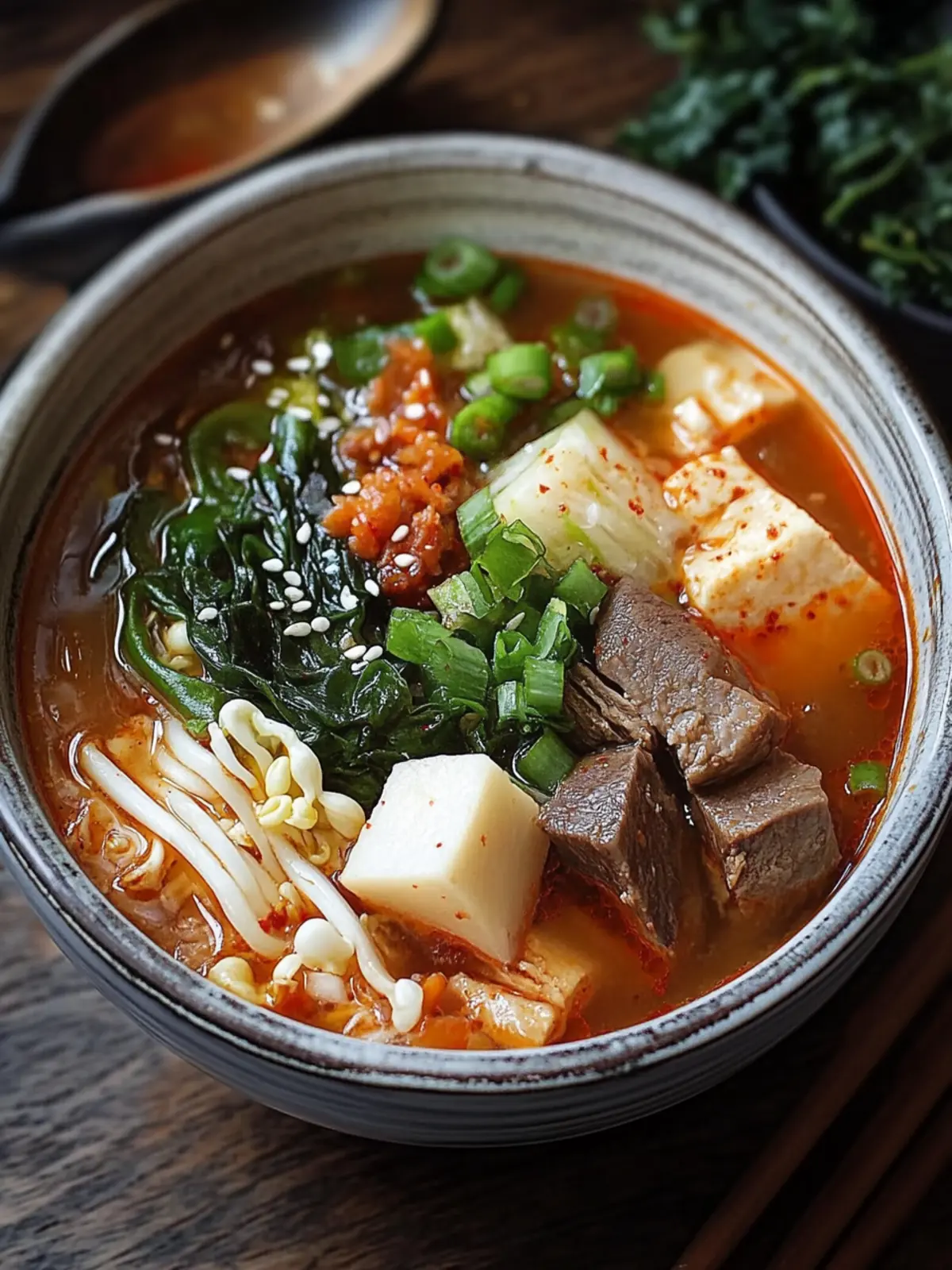
Make Ahead Options
Preparing Korean Winter Soup ahead of time is a smart approach for those busy evenings! You can simmer the beef brisket and let it cool, then refrigerate the soup base for up to 3 days. To maintain the rich flavors, store the cooked vegetables, tofu, and spices separately and add them just before serving. If you have leftovers, they can be stored in an airtight container and frozen for several weeks. When ready to enjoy, simply reheat gently on the stove, adding a splash of water if needed to keep the soup from thickening. This way, you ll have a comforting, home-cooked meal with minimal effort anytime!
What to Serve with Korean Winter Soup?
As the aroma of this rich soup fills your kitchen, think about what delightful accompaniments will elevate the comforting experience even further.
- Steamed White Rice: A classic pairing, the fluffy rice soaks up the spicy broth, enhancing each bite of the soup.
- Crunchy Kimchi: The tangy, fermented crunch of kimchi brings a lively contrast to the warm, savory soup. Every spoonful bursts with flavor!
- Savory Banchan: Small Korean side dishes like pickled radish or seasoned greens offer a delightful balance of flavors, enhancing the meal.
- Toasted Sesame Seeds: Sprinkle these nutty seeds on top of the soup for a satisfying bite and delightful texture, adding depth to each spoonful.
- Miso Soup: Complement your main dish with a warm bowl of miso soup, softening the spice with its gentle, umami magic.
- Hot Green Tea: This refreshing drink cleanses the palate, offering a soothing balance to the hearty warmth of the Korean Winter Soup.
- Mochi Dessert: Finish your meal with a sweet treat like mochi, providing a delightful contrast to the spicy flavors of the soup while satisfying your sweet tooth.
- Napa Cabbage Salad: A light, crunchy salad made with napa cabbage can complement the soup’s richness, adding freshness and vibrancy to the meal.
Mix and match these delightful options to create an unforgettable dining experience that warms both the heart and the soul!
Korean Winter Soup Variations
Feel free to explore delightful twists that make this comforting soup truly your own!
Spicy Kick: Add an extra tablespoon of gochujang for those who love a fiery heat that warms the soul.
Mushroom Medley: Toss in shiitake or oyster mushrooms to amplify the earthy flavor and provide additional texture. They absorb the broth beautifully!
Zucchini Delight: Thinly slice zucchini for a fresh, tender addition that cooks swiftly and adds vibrant color to your soup.
Creamy Coconut: Substitute half the water with coconut milk for a rich and creamy variation that softens the spicy kick. This twist adds a subtle sweetness and tropical flair!
Vegetable Boost: Experiment with seasonal vegetables like carrots or sweet potatoes, creating a heartier mix that brings natural sweetness to the broth.
Herb Infusion: Stir in fresh herbs like cilantro or basil just before serving for a burst of fresh flavor and an aromatic finish.
Noodle Addition: Add cooked rice noodles or udon at the end for a comforting and filling meal that transforms the soup into a delightful noodle dish.
Lean Protein: Swap beef brisket for leaner cuts like chicken breast or turkey, perfect for a lighter version without sacrificing warmth and flavor.
How to Store and Freeze Korean Winter Soup
Fridge: Store in an airtight container and refrigerate for up to 3 days. Ensure it’s completely cooled before sealing to maintain freshness.
Freezer: For longer storage, freeze the soup in individual portions for up to 3 months. Use freezer-safe containers or bags and label them with the date for easy reference.
Reheating: When ready to enjoy, gently reheat on the stove over medium heat. Stir occasionally to maintain texture and ensure it warms evenly.
Airtight Tip: Make sure to remove as much air as possible from freezer bags before sealing to prevent freezer burn while keeping your Korean Winter Soup deliciously intact.
Expert Tips for Korean Winter Soup
- Skim Regularly: Frequently skim any impurities while cooking to ensure a clear broth. This prevents cloudiness and enhances the presentation of your Korean Winter Soup.
- Taste as You Go: Always taste the soup while cooking; adjust the spice levels of gochujang and gochugaru to suit your palate for the perfect balance of heat.
- Use Quality Beef: Select cuts that can withstand long cooking times, like brisket or chuck roast, for a tender and flavorful result in your Korean Winter Soup.
- Add Freshness: Incorporate seasonal vegetables or herbs for an extra layer of freshness. Consider adding greens like spinach or bok choy right before serving.
- Reheat with Care: When reheating leftovers, do so gently on the stove to preserve the texture and flavor of the ingredients in your soup.
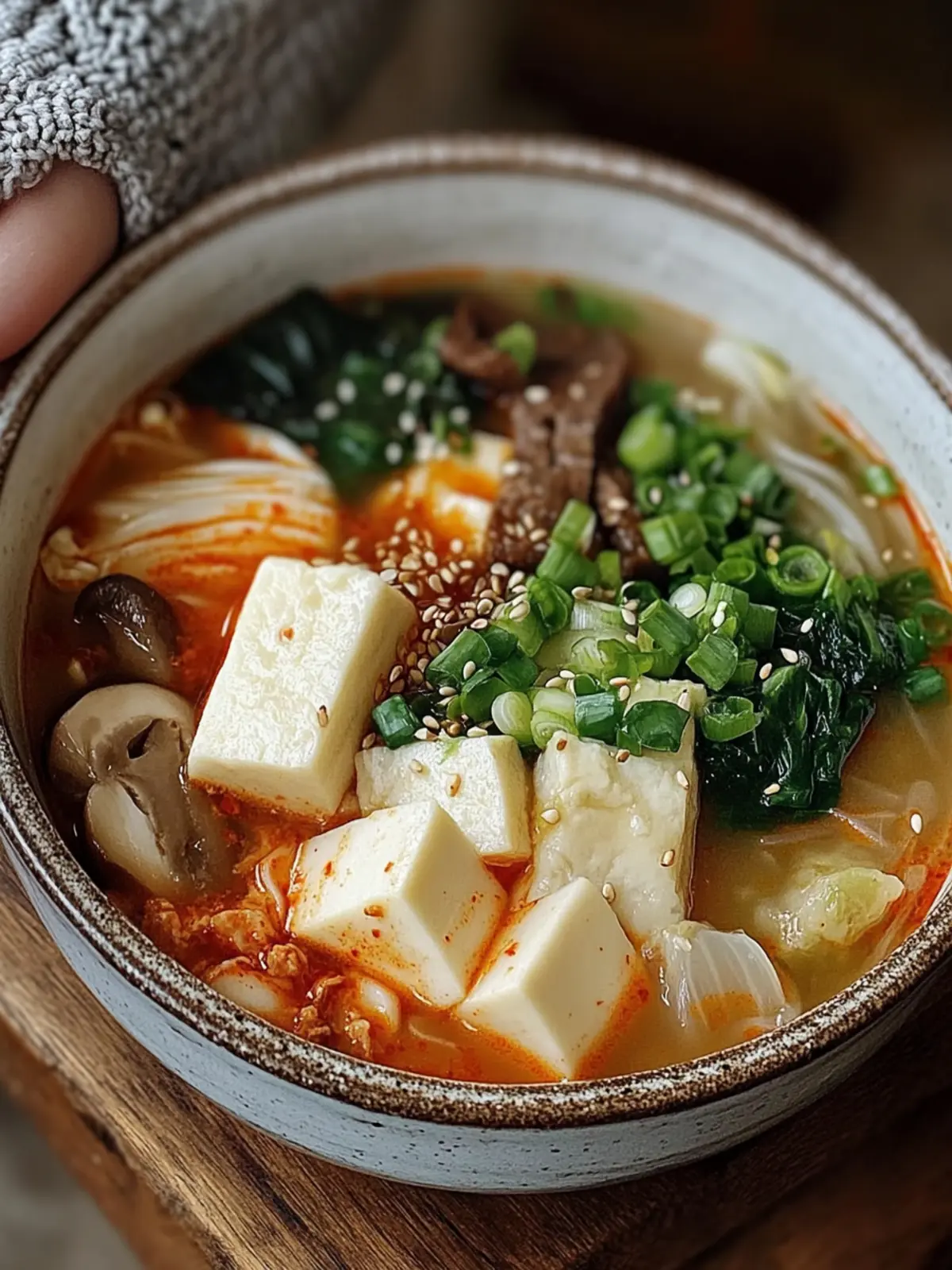
Korean Winter Soup Recipe FAQs
How do I select the best ingredients for Korean Winter Soup?
Absolutely! For the best flavor and texture, choose beef brisket that’s bright pink with a good amount of marbling. Fresh vegetables like napa cabbage should be firm with no dark spots. When it comes to gochujang, look for a smooth texture and vibrant color to ensure the best flavor in your soup.
What s the best way to store leftover Korean Winter Soup?
Very! Store the soup in an airtight container in the fridge for up to 3 days. Make sure the soup is completely cooled before sealing. Reheating on the stove will help to restore its comforting goodness. If you d like to enjoy it later, you can freeze it for up to 3 months, just remember to label it with the date!
Can I freeze Korean Winter Soup?
Absolutely! For freezing, let the soup cool completely and pour it into freezer-safe containers or bags. Separate portions for easy reheating later. Remove as much air as possible to prevent freezer burn. When ready to enjoy, thaw in the fridge overnight and reheat gently on the stove for the best texture.
What if the broth turns cloudy during cooking?
No problem! If that happens, simply skim off any impurities that rise to the surface during simmering. Doing this regularly within the first 30 minutes of cooking can help maintain clarity in your broth, giving your Korean Winter Soup that lovely, appetizing look!
Are there any dietary considerations I should keep in mind?
Definitely! If you have gluten sensitivities, use tamari instead of soy sauce to keep your Korean Winter Soup gluten-free. Make sure to check your gochujang and gochugaru for any additives if allergies are a concern. Additionally, if cooking for pets, ensure none of the ingredients are harmful to them; for instance, garlic can be toxic for dogs.
Can I add other vegetables to the Korean Winter Soup?
The more the merrier! Feel free to experiment with seasonal vegetables like mushrooms or zucchini. Adding spinach at the very end will also give a lovely nutritional boost. Just make sure to consider the cooking time, as you ll want to add quicker-cooking veggies shortly before serving to maintain their freshness and crunch!