Irresistible Low-and-Slow Rib Roast for Effortless Feasts
Last Updated on May 8, 2026 by aitanarecipez
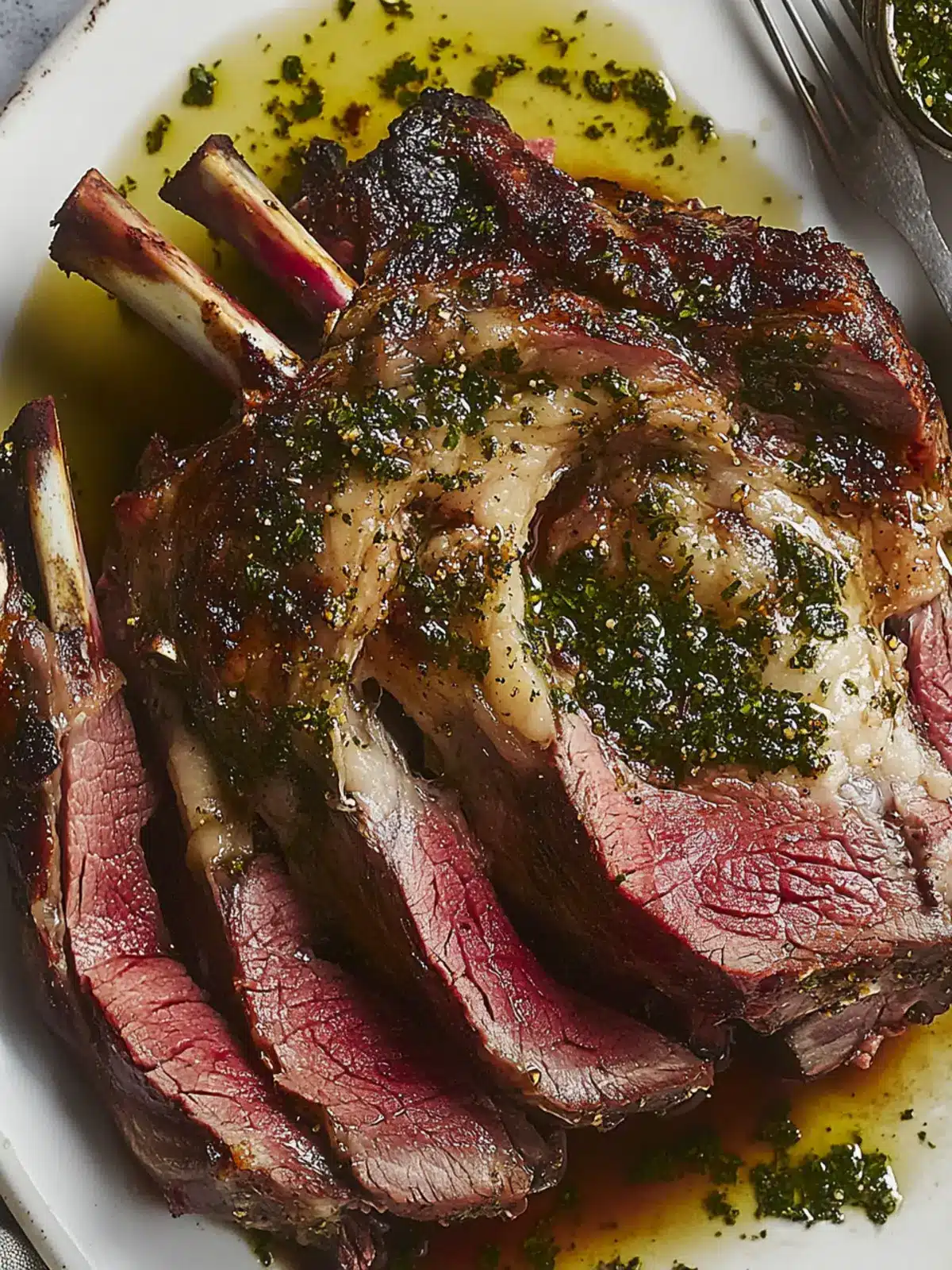
There s a special kind of comfort that washes over me when I think about hosting friends and family. The excitement of gathering around a beautifully set table, where the star of the show is a majestic Low-and-Slow Rib Roast, always elevates the experience. Picture this: a savory rub of rosemary, anchovies, and garlic wafting through the air as it slowly cooks to perfection. What makes this dish so appealing is not just its incredible flavor but also its versatility you can prepare most of it ahead of time, leaving you free to enjoy your guests.
You’ll be delighted to know that the reverse sear method not only promises tender, juicy meat but also results in a beautifully browned crust that looks as impressive as it tastes. Whether it s an intimate dinner or a festive celebration, this crowd-pleaser won t let you down. Let s dive into this recipe that brings effortless elegance to any gathering!
Why is Low-and-Slow Rib Roast a Must-Try?
Impressive Presentation: This rib roast is sure to be the showstopper at your next gathering, commanding attention with its beautiful golden crust.
Savory Aroma: The robust mix of rosemary, anchovies, and garlic creates a mouthwatering scent that will have everyone excited for dinner.
Effortless Preparation: Most of the cooking happens while you prepare other dishes, allowing you to savor the company of your guests.
Versatile Flavor: Whether you opt for classic or creative seasoning variations, this recipe adapts to your personal taste, ensuring a tailored experience.
Angelic Juiciness: The slow-roasting method guarantees an incredibly tender and juicy bite that will have your friends raving for days!
For more tips on perfecting this delightful dish, check out our cooking hacks!
Low-and-Slow Rib Roast Ingredients
For the Rib Roast
Rib Roast This is the star ingredient, so choose a bone-in roast for added flavor and tenderness.
Rosemary Fresh rosemary brings a fragrant, earthy aroma that beautifully complements the meat.
Anchovies These little gems add depth and richness; if needed, substitute with Worcestershire sauce for a similar umami kick.
Garlic Freshly minced garlic offers a robust flavor that elevates the rub to new heights.
For Serving
Baked Potatoes Deluxe A classic side that pairs wonderfully with the richness of the rib roast.
The Greatest Creamed Greens A vibrant, creamy green veggie dish to balance out the meal; your guests will love it!
Feel free to explore these ingredients as we turn this Low-and-Slow Rib Roast into an unforgettable centerpiece for your next gathering!
How to Make Low-and-Slow Rib Roast
Preheat your oven to 250°F. This low temperature allows the meat to cook evenly and become wonderfully tender over time.
Prepare the rub by combining fresh rosemary, minced anchovies, and garlic in a bowl. This fragrant mixture is what will give your roast its incredible flavor.
Generously rub the mixture all over the rib roast. Ensure that every inch is covered so that the flavors infuse into the meat beautifully.
Place the rib roast on a rack in a roasting pan. Roast it in the preheated oven for about 3-4 hours, or until the internal temperature reaches 120°F for that perfect rare doneness.
Remove the roast from the oven and let it rest for up to 2 hours. This resting time is crucial for retaining the juices, making each slice incredibly moist.
Increase the oven temperature to 500°F about 30 minutes before you’re ready to serve. This will help create a beautiful crust on the outside of the roast.
Roast the meat again for approximately 15-20 minutes, or until you see a lovely, golden-brown crust forming.
Let the roast rest briefly after the high-temperature roasting. Then, slice and serve to reveal that succulent interior.
Optional: Serve with a drizzle of balsamic reduction for an added depth of flavor.
Exact quantities are listed in the recipe card below.
Low-and-Slow Rib Roast Variations
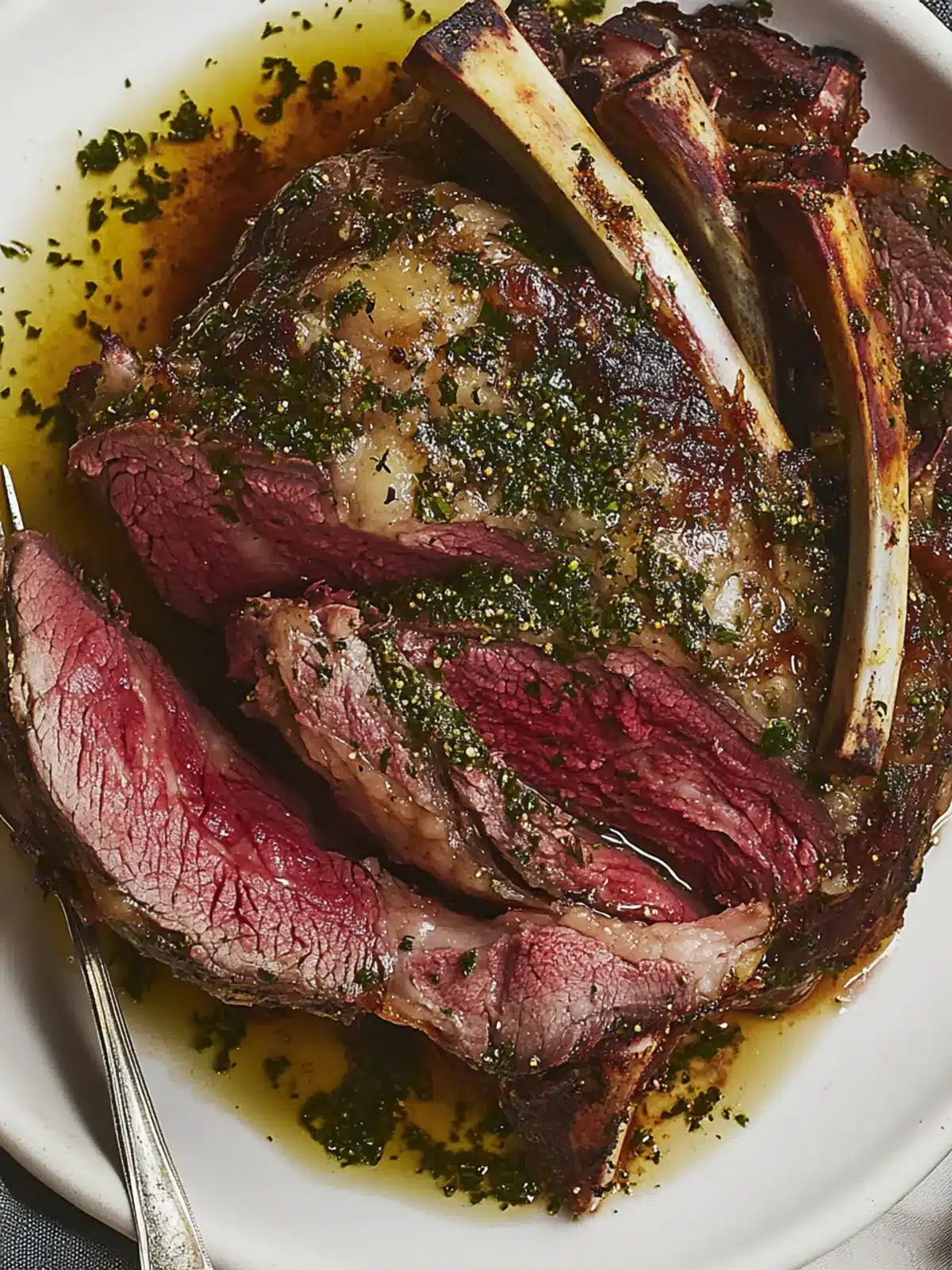
Feel free to get creative with your Low-and-Slow Rib Roast by trying these delightful substitutions and twists!
- Herb Swap: Replace rosemary with thyme for a different aromatic note that pairs wonderfully with beef.
- Balsamic Glaze: Brush on a balsamic reduction during the final sear to add a tangy sweetness to the crust. It adds depth and balance to the flavors!
- Fish Sauce Alternative: Use soy sauce instead of anchovies for a plant-based umami flavor that keeps the richness of the rub.
- Spice it Up: Add red pepper flakes to the rub for a touch of heat that will awaken your taste buds without overwhelming the dish.
- Smoky Flavor: Introduce smoked paprika in your rub for a hint of smokiness that brings a new dimension to the roast.
- Citrus Zest: Incorporate lemon or orange zest into the rub for a refreshing, bright flavor that cuts through the richness of the beef.
- Maple Drizzle: Finish with a light maple syrup drizzle after the final sear for an unexpected hint of sweetness that contrasts beautifully with the savory flavor.
- Herbed Compound Butter: Top slices with herbed compound butter before serving to add richness and fresh herb flavor, enhancing every bite!
How to Store and Freeze Low-and-Slow Rib Roast
Fridge: Store leftover rib roast in an airtight container for up to 3 days. Make sure it’s cool before sealing to maintain freshness.
Freezer: To freeze, wrap the rib roast tightly in plastic wrap and then aluminum foil. It can be frozen for up to 3 months for optimal quality.
Reheating: When ready to enjoy leftovers, thaw overnight in the fridge. Reheat gently in the oven at 250°F until warmed through to preserve juiciness.
Make Ahead Options
These Low-and-Slow Rib Roasts are perfect for meal prep enthusiasts! You can prepare the rub (mixing rosemary, anchovies, and garlic) up to 24 hours in advance; just refrigerate it in an airtight container to preserve its flavors. Additionally, you can season the rib roast and let it rest in the refrigerator for up to 3 days to deepen the taste. When you’re ready to serve, just bring the roast to room temperature, follow the initial roasting instructions, and finish with the high-temperature sear as outlined in the recipe. This method ensures equally delicious results with less hustle, making your gatherings truly effortless!
Expert Tips for Low-and-Slow Rib Roast
Temperature Check: Use a meat thermometer to ensure the internal temperature reaches 120°F for rare; this guarantees perfect doneness.
Resting Time: Don t skip the resting periods! Allow the roast to rest before and after roasting to retain those flavorful juices.
Room Temperature: Before cooking, let the rib roast sit at room temperature for about an hour; this promotes even cooking throughout.
Searing Caution: Avoid overcooking during the final sear watch closely to develop a crisp crust without losing the juicy tenderness inside.
Flavor Infusion: For extra depth, consider letting your rub sit on the roast for a few hours or overnight before cooking; this enhances the meaty flavor.
What to Serve with Low-and-Slow Rib Roast?
Imagine bringing together a gorgeous meal that tantalizes the senses and delights the palate, all while effortlessly hosting your loved ones.
- Baked Potatoes Deluxe: The fluffy, buttery interior pairs beautifully with the savory richness of the rib roast, creating a comforting duo.
- The Greatest Creamed Greens: Their creamy texture and vibrant flavor provide a fresh contrast to the hearty roast, making every bite a delightful experience.
- Garlic Bread: Crispy and aromatic, garlic bread enhances the meal while being ideal for sopping up those delicious juices from the roast.
- Roasted Seasonal Vegetables: A medley of roasted veggies not only adds color to the plate but their natural sweetness complements the savory meat perfectly.
- Classic Caesar Salad: The crispness of the romaine, combined with creamy dressing and crunchy croutons, offers a refreshing balance to the richness of the dish.
- Red Wine: A full-bodied Cabernet Sauvignon pairs wonderfully with the flavors of the rib roast, elevating your dining experience to new heights.
- Chocolate Mousse: For dessert, a rich chocolate mousse provides a decadent finish, leaving your guests pleasantly satisfied and craving more.
- Herbed Couscous: Light and fluffy couscous, infused with fresh herbs, serves as a delightful side that balances the hearty aspects of the meal.
- Fruit Tart: The sweetness of a fruit tart brings a lightness to the end of your feast, pairing beautifully with the richness of the roast.
Low-and-Slow Rib Roast Recipe FAQs
What kind of rib roast should I choose for optimal flavor?
Absolutely! For the best flavor and tenderness, opt for a bone-in rib roast. The bones not only enhance the savory taste but also help the meat retain moisture, resulting in a juicy final dish.
How should I store leftover Low-and-Slow Rib Roast?
I recommend storing any leftover rib roast in an airtight container in the refrigerator. It will stay fresh for about 3 days. Be sure to let the roast cool down completely before sealing to maintain its delicious flavor and moisture.
Can I freeze the rib roast for later use?
Definitely! To freeze your Low-and-Slow Rib Roast, wrap it tightly in plastic wrap and then cover it with aluminum foil for extra protection against freezer burn. This method allows you to enjoy it for up to 3 months. When you’re ready to eat, thaw it in the refrigerator overnight.
What if the rib roast is tough after cooking?
Very! If you find your rib roast is tough, it may be due to overcooking. To prevent this in the future, always use a meat thermometer to check doneness, and consider giving it ample resting time. If you face a tough situation, slice the meat against the grain for a more tender bite.
Can I make this recipe safer for my dog?
Absolutely! While rib roast is a treat for humans, it s best to keep your furry friend away from seasoned meats. However, plain cooked beef can be a tasty and healthy snack for your dog. Just make sure there are no bones or added seasonings.
How do I ensure the perfect crust during the final sear?
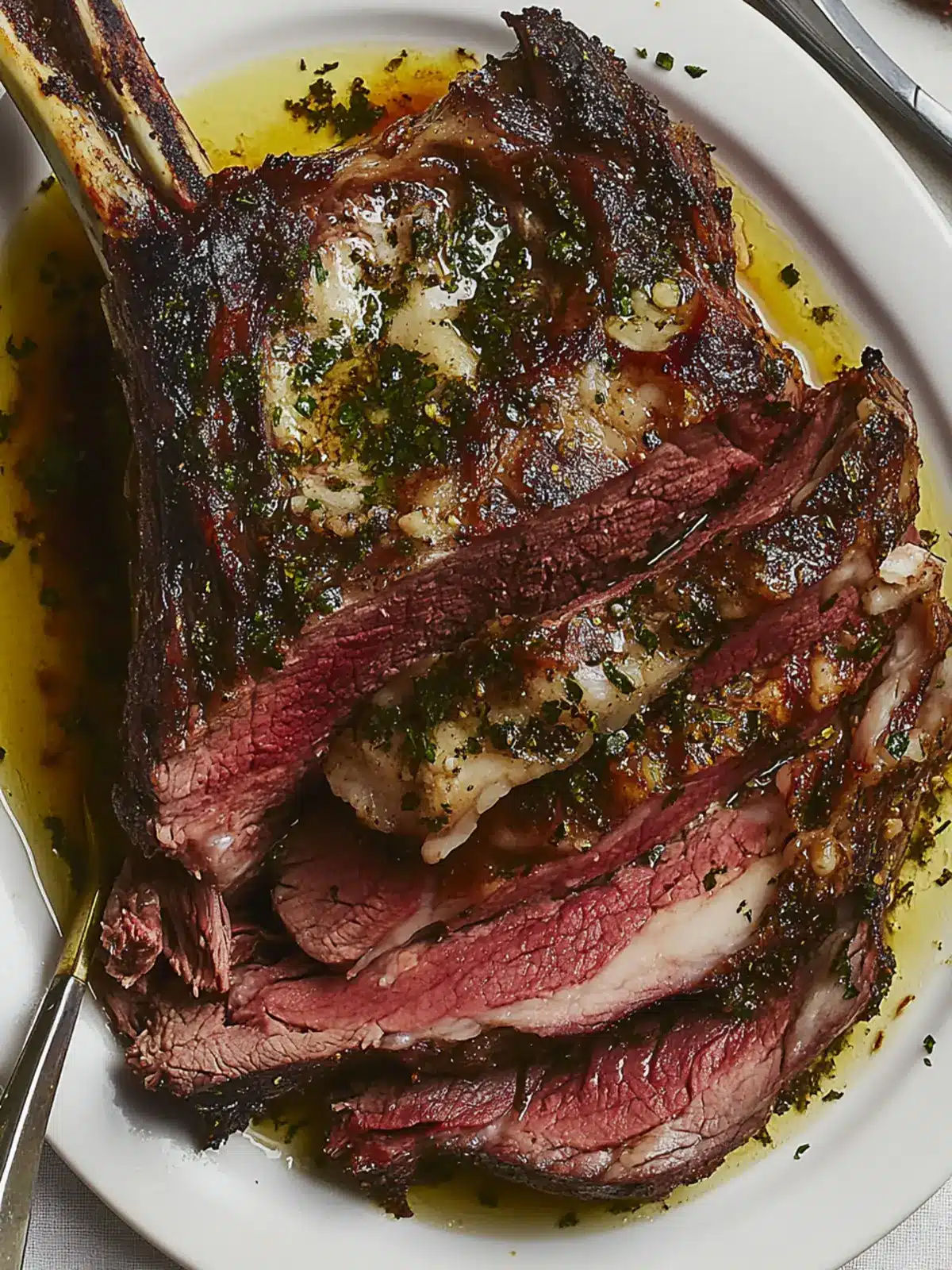
To achieve that beautiful crust during the final sear, preheat your oven to a high temperature (500°F) about 30 minutes before serving. Roast the meat for 15-20 minutes, keeping an eye on it to avoid overcooking. The key is to develop that golden-brown exterior while maintaining the juicy interior. Enjoy the process!