
Delicious Japchae: Korean Glass Noodles for Lunar New Year Joy
Last Updated on May 8, 2026 by aitanarecipez
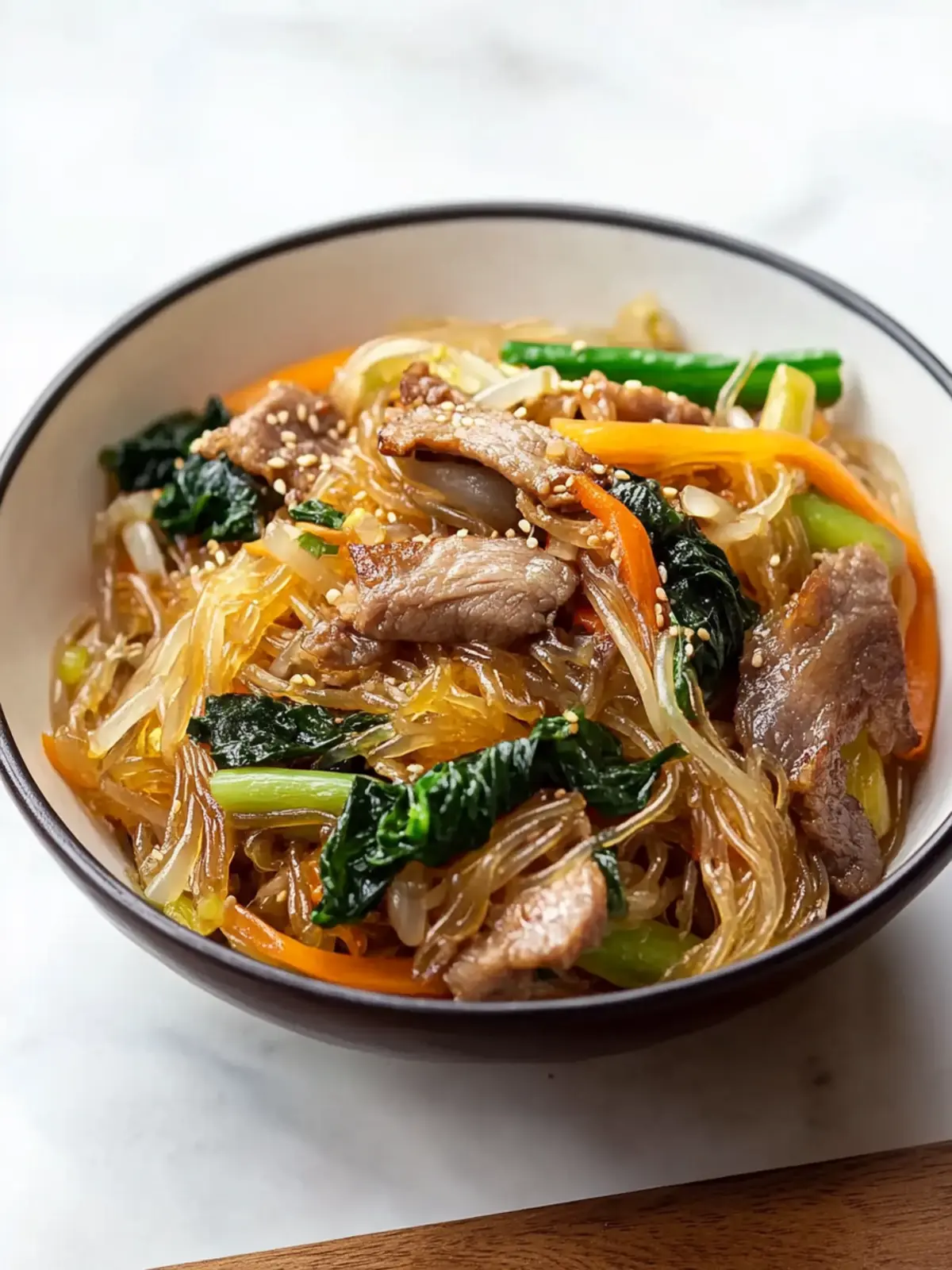
As the Lunar New Year approached, a comforting notion tugged at my heart it’s time to gather with family and friends, sharing a meal that bursts with flavor and stories. That’s when I decided to bring my homemade Japchae to the table. This dazzling dish of Korean glass noodles drenched in savory marinated pork and colorful vegetables never fails to impress at potlucks, showcasing the harmony of tastes and textures that defines celebratory feasts.
Picture the chewy noodles mingling with tender shiitake and wood ear mushrooms, enveloped in a glossy soy sauce glaze. The crunch of fresh vegetables and the silkiness of slivered eggs elevate each forkful into a delightful tapestry, both visually stunning and irresistibly delicious. Best of all? It s incredibly versatile. Whether served warm or at room temperature, this Japchae is a guaranteed crowd-pleaser that brings an air of joy and tradition to any festive gathering.
Join me in crafting this simple yet exquisite dish that not only honors the season but also revitalizes your love for homemade comfort food!
Why is Japchae a must-try recipe?
Flavorful delights await: This Japchae bursts with umami flavors, thanks to the marinated pork and rich soy sauce.
Colorful presentation: Vibrant vegetables and silky noodles make this dish visually captivating.
Crowd-pleaser appeal: Perfect for potlucks, it’s a dish that everyone will rave about!
Versatile for gatherings: Serve it warm or at room temperature, making hosting easier.
Simple preparation: With easy steps and minimal time, you can impress guests without the fuss.
This dish is not just a recipe; it s a celebration of flavor, tradition, and comfort. Make sure to check out how to easily prepare more delightful dishes that will wow your friends and family!
Japchae Ingredients
Dive into the savory world of Japchae, a dazzling dish that will make your Lunar New Year celebrations unforgettable!
For the Mushrooms
- Dried wood ear mushrooms A unique addition that rehydrates to provide chewiness and texture.
- Shiitake mushrooms Adds a deep, earthy flavor to balance the savory elements of the dish.
For the Pork
- Lean boneless, skinless pork shoulder Tender and easy to marinate, providing a great protein base for the meal.
For Flavoring
- Yangjo ganjang (Korean soy sauce) Essential for achieving that authentic umami taste in your Japchae.
- Garlic A must for infusing your dish with aromatic flavor.
- Granulated sugar Balances out the savory notes, enhancing the overall taste.
- Soju Adds a subtle depth of flavor; can be substituted with rice wine if needed.
- Fresh ginger A generous pinch revitalizes the dish with a bit of spice.
- Black pepper A splash of warmth to round out the flavors.
For the Vegetables
- Vegetable oil Important for sautéing and keeping your ingredients from sticking.
- Eggs Used to create tender strips that add a beautiful presentation to Japchae.
- Yellow onion Sweetens and complements the dish with its soft, caramelized layers.
- Carrot Bright and crunchy, adding nutrition and color to the mix.
- Kosher salt Essential for seasoning your vegetables while cooking.
- Curly spinach A nutritious green that brings freshness and color to the dish.
For the Noodles
- Dangmyeon (Korean sweet potato glass noodles) They provide a chewy texture that s a signature of Japchae.
- Toasted sesame oil Adds a nutty aroma that elevates the dish to new heights.
- Ground roasted sesame seeds Sprinkling these gives crunch and flavor, enhancing the dish further.
For Drizzling
- Toasted sesame oil Use this as a finishing touch to bring all the flavors together.
Each ingredient plays a vital role in creating the wholesome and delightful experience that is alas! The magical Japchae! It s not just a meal; it s a celebration plate ready to charm your gatherings. Happy cooking!
How to Make Japchae
- Rehydrate wood ear mushrooms by placing them in a medium bowl and covering with cold water. Let them sit until fully softened, about 1 hour. Drain and tear them into smaller strips to enhance their texture.
- Marinate the mushrooms and pork by mixing the wood ear mushrooms, shiitake mushrooms, pork, soy sauce, garlic, sugar, soju, ginger, and black pepper in a bowl. Allow this flavorful mixture to sit for 20 minutes to capture all the delicious tastes.
- Heat vegetable oil in a large skillet over medium-high heat until shimmering. Add the marinated pork and mushrooms, stirring until the pork is cooked through and mushrooms are lightly browned, roughly 4-5 minutes. Transfer to a plate and keep warm.
- Separate the eggs into yolks and whites, straining each through a fine-mesh strainer into separate bowls. Gently mix each until fully incorporated for a fluffy texture.
- Cook the yolks in a warm nonstick skillet over medium-low heat. Lightly grease the pan and scrape the yolk mixture into the skillet, spreading to form a thin round. Cook until mostly set, about 1 minute, then flip and cook for another 30 seconds. Transfer the cooked yolk round to cool.
- Repeat the procedure with the egg whites in the same pan, lightly greasing it again until fully set. Set aside and let cool before slicing into thin strips.
- Sauté the onion and carrot by heating more vegetable oil in a large skillet over medium heat. Add the sliced onion and carrot, season with salt, and cook until the vegetables are tender, about 4 minutes. Transfer to a plate and keep warm.
- Blanch the spinach in a large pot of salted boiling water until tender, about 1 minute. Remove and let drain. Squeeze out excess water, then toss with minced garlic, sesame oil, and ground sesame seeds. Set aside.
- Cook the dangmyeon noodles in the boiling water for about 6 minutes until tender but still chewy. Drain and rinse under cold water, allowing them to drain well. If long, snip them a few times to shorten for easier eating.
- Combine noodles in a large bowl by stirring together soy sauce and sugar, then adding this mixture to the noodles. Toss to coat, and then add in the pork, mushrooms, carrot, onion, and slivered eggs. Mix well and adjust seasoning if needed.
- Finish by adding the spinach and gently tossing once more to combine all the ingredients. Serve warm or at room temperature for best enjoyment!
Optional: Drizzle with additional toasted sesame oil before serving for extra flavor.
Exact quantities are listed in the recipe card below.
Expert Tips for Japchae
- Mushroom Prep: Make sure to fully rehydrate the wood ear mushrooms for the best texture. Undercooked mushrooms can taste tough and chewy.
- Marinate Well: Allow the pork and mushrooms to marinate for at least 20 minutes; this enhances the flavors. Skipping this step compromises the depth of taste in your Japchae.
- Control Heat: Maintain medium-high heat while cooking to avoid burning the pork and mushrooms. If the pan is too hot, these ingredients will brown too quickly and lose moisture.
- Noodle Timing: Don t overcook the glass noodles; they should be tender but still chewy. Rinse them under cold water after cooking to stop the cooking process and prevent stickiness.
- Egg Technique: For the best results when cooking the eggs, keep the skillet lightly greased and don t rush the cooking. Proper technique creates fluffy, slivered egg rounds that impress!
- Great for Make-Ahead: Japchae can be made a day in advance. Just store it in the fridge without added sesame oil, drizzling it just before serving to keep flavors fresh.
Enjoy this delightful Japchae at your next gathering!
How to Store and Freeze Japchae
Fridge: Store leftover Japchae in an airtight container for up to 3 days. Make sure it cools completely before sealing to preserve freshness.
Freezer: For longer storage, freeze Japchae in a freezer-safe container for up to 2 months. Portion it into individual servings for easy thawing.
Reheating: When ready to enjoy, thaw in the fridge overnight and reheat on the stovetop over low heat, adding a splash of water or soy sauce to revive the dish’s texture.
Room Temperature: Serve at room temperature for gatherings but don’t leave out for more than 2 hours to ensure food safety. Perfect for potlucks with an air of celebration!
Japchae Variations
Feel free to sprinkle your own magic by customizing this classic recipe to suit your taste!
Vegetarian: Swap the pork for tofu or tempeh, marinated and sautéed to add a delightful protein kick. This variation ensures everyone can enjoy the flavor without missing out.
Spicy: Add a tablespoon of gochujang (Korean chili paste) for a bit of heat. This extra layer will spark a fiery passion in every bite, perfect for those who crave a little spice in their lives.
Gluten-Free: Use tamari or coconut aminos instead of soy sauce. This simple change keeps the essence of the dish intact while accommodating gluten sensitivities.
Extra Crunch: Toss in some chopped peanuts or toasted cashews before serving for a satisfying crunch. The nutty flavor will elevate your Japchae, creating an enjoyable contrast with the chewy noodles.
Bright & Zesty: Squeeze fresh lime or lemon juice over the finished dish. A simple splash of citrus can brighten flavors, making every forkful a refreshing experience perfect for warm weather gatherings.
Add More Veggies: Incorporate bell peppers, zucchini, or snap peas. The additional colors and textures not only enhance the dish visually but also provide a nutritious boost, making it a hearty meal.
Noodle Alternative: Experiment with other noodle types like rice noodles for a gluten-free version or even zucchini noodles for a low-carb twist. Each option brings its own delightful textural experience to your meal.
Herb Infusion: Sprinkle fresh cilantro or green onions on top just before serving for a fresh burst of flavor. The herbal notes will complement the savory elements beautifully, adding a fragrant finish.
Let your culinary creativity shine as you explore these variations! Each twist on the traditional recipe can turn Japchae into a personal favorite that feels uniquely yours. Enjoy!
Make Ahead Options
These Japchae are perfect for meal prep enthusiasts! You can marinate the pork and mushrooms up to 24 hours in advance, sealing in the rich flavors and ensuring they’re just as delicious when cooked. Additionally, you can sauté the vegetables and blanch the spinach up to 3 days ahead; simply store them in an airtight container in the refrigerator. When you re ready to serve, cook the noodles and toss everything together, adding the reserved eggs and a drizzle of sesame oil just before serving to maintain freshness. This method not only saves time on busy weeknights but also guarantees the dish is bursting with flavor and vibrant colors!
What to Serve with Japchae?
Creating a memorable meal is all about pairing the right flavors and textures, especially with this delightful Korean dish.
- Kimchi: A sharp and spicy contrast that enhances the umami flavors of Japchae, adding a probiotic punch to your meal.
- Korean Fried Chicken: Crispy and savory, this dish offers an appealing crunch that pairs beautifully with the soft noodles. Enjoying both promises a feast of textures!
- Steamed Rice: Classic white rice serves as a neutral base, balancing Japchae s richness and helping to soak up all those delightful sauces.
- Fresh Vegetable Salad: A refreshing mix of cucumber and radish salad adds crunch and acidity, bringing a light element to the table. It’s perfect for cutting through the dish’s richness.
- Sweet Potato Starch Dumplings: These chewy dumplings echo the texture of the glass noodles while offering a subtle sweetness that complements the savory flavors beautifully.
- Miso Soup: A warm, comforting bowl of miso soup provides a light yet flavorful broth, making for a delightful contrast to the hearty Japchae.
- Fruit-Infused Sparkling Water: A refreshing drink with hints of citrus or berry will cleanse your palate, offering a vibrant touch to your festive spread.
- Chocolate Mochi: For dessert, chocolate mochi provides a chewy, sweet finish that contrasts with the savory notes of Japchae, leaving everyone satisfied.
These pairings create a thoughtfully balanced meal that honors the celebration while bringing joy to the table!
Japchae Recipe FAQs
What type of mushrooms are best for Japchae?
Absolutely! For the most authentic and flavorful Japchae, I recommend using dried wood ear mushrooms and shiitake mushrooms. The wood ear mushrooms provide a unique chewiness, while the shiitake mushrooms add a deep, earthy flavor that enhances the dish. Be sure to properly rehydrate the wood ear mushrooms for the best texture!
How should I store leftover Japchae?
For sure! Once you ve enjoyed your Japchae, store the leftovers in an airtight container in the fridge. It should stay fresh for up to 3 days. Make sure it has cooled completely before sealing to keep all those delicious flavors intact!
Can I freeze Japchae for later?
Yes! If you want to enjoy your Japchae later, you can freeze it! Just portion it into freezer-safe containers and it will keep well for up to 2 months. When you’re ready to eat, thaw it in the fridge overnight and reheat on the stovetop with a little splash of water or soy sauce to regain its moisture.
What should I do if my noodles are sticky?
No worries! If your noodles turned out sticky, it might be due to overcooking or not rinsing them properly after boiling. To fix this, simply rinse the noodles under cold water immediately after cooking to stop the cooking process. For future prep, ensure to cook them until just tender but chewy, then drain and rinse!
Is Japchae safe for people with allergies?
Definitely! Japchae is quite versatile, but if you have allergies, be cautious with the ingredients. The dish typically contains gluten from soy sauce, and the mushrooms could affect those with specific mushroom allergies. For a gluten-free version, you can substitute with gluten-free soy sauce or tamari. Always double-check the labels for your specific dietary needs!
Can I make Japchae vegetarian?
Absolutely! To make a delicious vegetarian version of Japchae, simply omit the pork and replace it with tofu or a mix of your favorite vegetables. Add extra mushrooms for umami flavor and keep everything else the same for a vibrant, satisfying dish that everyone can enjoy!