
Cantonese-Style Taro and Pork Belly Casserole for Lunar New Year
Last Updated on May 8, 2026 by aitanarecipez
As the Lunar New Year approaches, the excitement of family gatherings and festive feasts fills the air. I fondly recall the warm embrace of flavors that come alive in my kitchen during this season, especially when I prepare a comforting Cantonese-Style Taro and Pork Belly Casserole. The moment you first cut into it, the tantalizing scent of garlic and ginger mingles freely, drawing everyone closer with a promise of cozy indulgence.
This dish beautifully balances the rich, melting pork belly with the earthy goodness of taro, creating an unforgettable contrast of textures that leaves you craving more. Perfect for both intimate dinners and lively reunions, this casserole is a beloved highlight of our Lunar New Year celebrations. So, let s dive into this recipe that not only warms hearts but also brings a sense of tradition and togetherness to your table!
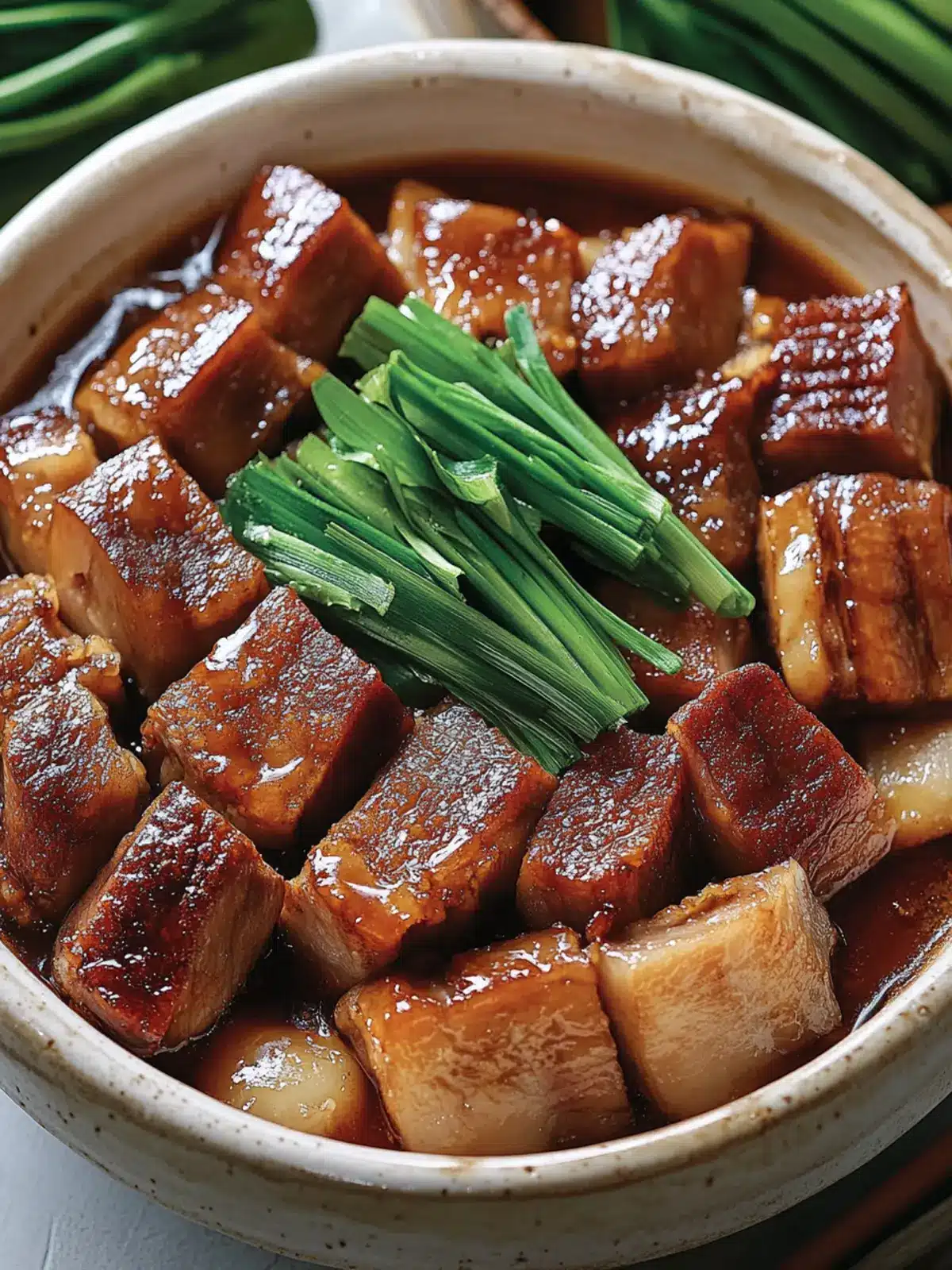
Why is Cantonese-Style Taro and Pork Belly Casserole perfect for celebrations?
Festive Delight: This casserole is the star of any gathering, with its sumptuous flavors that delight the palate.
Heartwarming Tradition: It’s a beloved dish that embodies familial love, making every celebration feel like home.
Inviting Aroma: The mesmerizing scent of garlic and ginger fills your kitchen, creating an irresistible pull for family and friends.
Flavor Harmony: Each bite offers a perfect blend of tender pork belly and hearty taro, ensuring a comforting experience.
Versatile Serving: Pair it effortlessly with steamed rice or a fresh salad, making it a balanced meal for any occasion.
Crowd-Pleasing Comfort: Whether for Lunar New Year or a cozy dinner, this casserole is sure to bring everyone together!
Cantonese-Style Taro and Pork Belly Casserole Ingredients
For the Casserole
Taro Provides an earthy flavor and texture; crucial for absorbing the casserole’s juices. Note: Can substitute with sweet potatoes or parsnips for different flavor profiles.
Pork Belly Adds richness and fat, balancing the dish; essential for that melt-in-your-mouth experience. Note: Alternatives include pork shoulder or chicken thighs for lighter versions.
Soy Sauce Enhances umami flavor and seasoning; necessary for depth of taste. Note: Liquid amino acids can be a gluten-free substitute.
Ginger Adds warmth and spice; crucial for authentic flavor. Note: Fresh ginger is recommended over powdered for best results.
Garlic Complements pork and adds aromatic depth; non-negotiable for taste. Note: Can use garlic powder in a pinch but fresh is preferred.
Water or Broth Used for cooking the taro and pork, developing flavor throughout the casserole. Note: Chicken or vegetable broth is ideal for added savory notes.
This flavorful casserole not only embodies comfort food but also makes a wonderful addition to your Lunar New Year recipes!
How to Make Cantonese-Style Taro and Pork Belly Casserole
Preheat your oven to 350°F (175°C). This is the perfect temperature for slow-cooking your casserole to perfection.
Peel and cut the taro into cubes. Place these earthy cubes into a casserole dish, ensuring an even layer for maximum flavor absorption.
Prepare the pork belly by scoring the skin, then browning it in a skillet until it’s nice and crisp. This step adds a mouthwatering layer of flavor!
Layer the cooked pork belly on top of the cubed taro in your casserole dish, creating a hearty base for the casserole.
Mix together the soy sauce, ginger, and garlic in a bowl. Pour this aromatic blend over the pork and taro, ensuring every piece gets a flavorful coating.
Add water or broth until just submerged. This delicious liquid helps cook the taro and infuse the casserole with rich flavors; then, cover the dish.
Bake for 1.5 to 2 hours, checking for tenderness as it cooks. The taro should be soft, and the pork belly should melt in your mouth.
Remove from the oven and allow to cool slightly before serving warm. This wait builds suspense and lets the flavors settle beautifully!
Optional: Garnish with fresh herbs like cilantro for a touch of color and flavor.
Exact quantities are listed in the recipe card below.
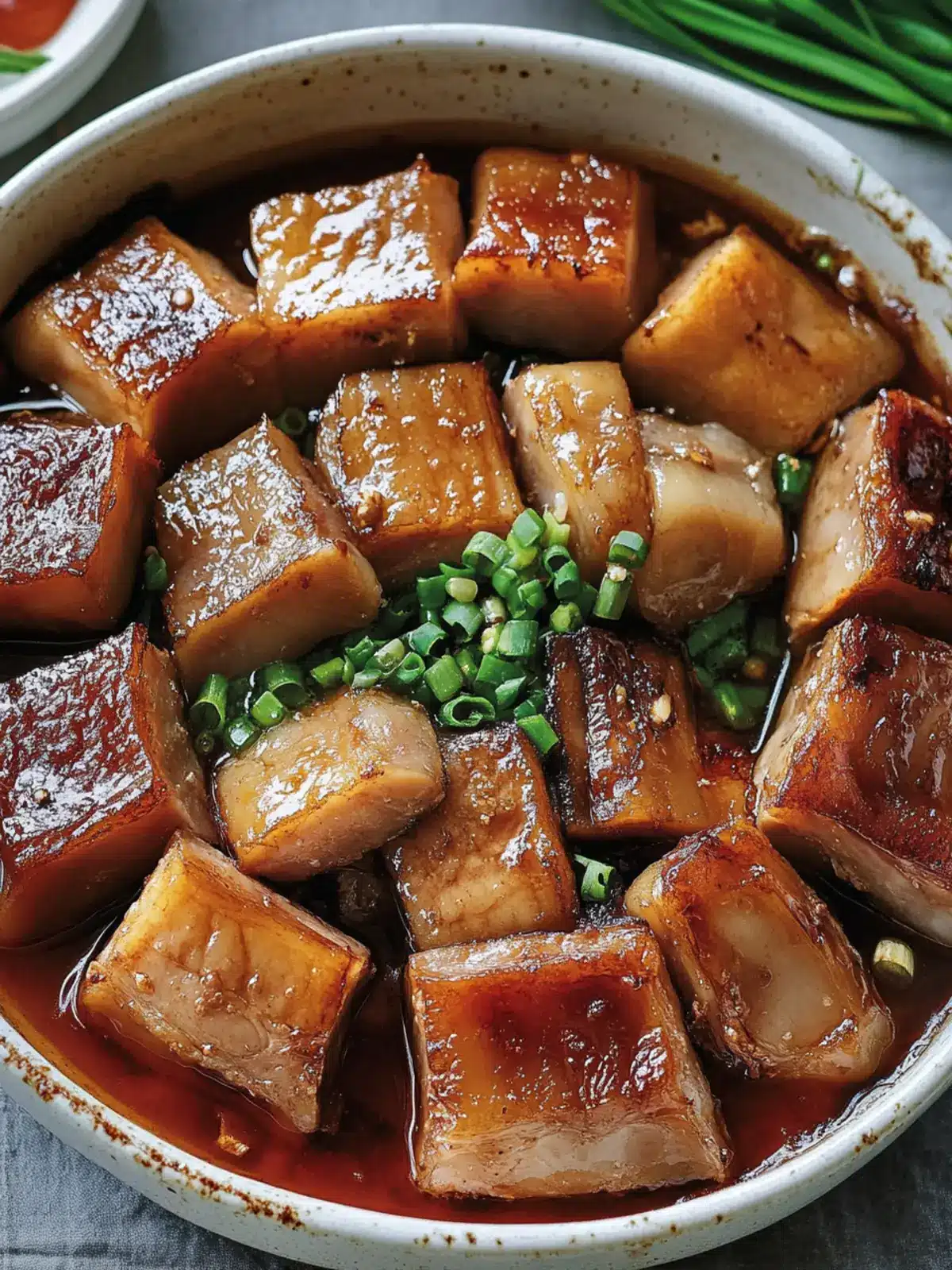
Expert Tips for Cantonese-Style Taro and Pork Belly Casserole
Perfect Browning: Ensure your pork belly is evenly browned before layering. This enhances flavor and creates that sought-after crispy texture on the edges.
Avoid Mushy Taro: Monitor cooking time closely to prevent the taro from breaking down too much. It should still hold its shape, providing a delightful contrast to the tender pork.
Boosted Crunch: For an extra layer of texture, uncover the casserole during the last 10-15 minutes of baking. This allows the top to get crispy and caramelized.
Flavor Depth: Don t skip on the soy sauce, ginger, and garlic mixture this is what infuses the dish with its rich umami flavor, making the Cantonese-Style Taro and Pork Belly Casserole truly unforgettable.
Herb Garnish: Consider adding fresh herbs like cilantro or green onions just before serving to elevate the presentation and add a fresh pop of flavor.
Versatile Ingredients: Feel free to incorporate additional vegetables such as mushrooms or bok choy for extra nutrition and color in your casserole!
What to Serve with Cantonese-Style Taro and Pork Belly Casserole?
When planning your meal, let your comforting casserole shine with these perfect pairings!
Steamed Jasmine Rice: A fragrant base that absorbs the rich flavors of the casserole, providing a delightful, fulfilling texture.
Fresh Cucumber Salad: Crisp and refreshing, this salad introduces a cooling contrast to the savory warmth of the casserole, brightening each bite.
Garlic Stir-Fried Bok Choy: Lightly sautéed bok choy adds a vibrant touch and nutrient boost, complementing the hearty ingredients of the casserole beautifully.
Chili Oil Drizzle: For those who crave a bit of heat, a drizzle of chili oil enhances the flavors, creating a delightful spicy kick that pairs well with the pork belly.
Citrusy Ginger Tea: A warm drink with notes of ginger and citrus balances the richness of the casserole while adding an extra layer of warmth and comfort.
Mango Sticky Rice: For dessert, this sweet treat acts as a delightful contrast to the savory dish, rounding out your meal with creamy sweetness and chewy rice.
How to Store and Freeze Cantonese-Style Taro and Pork Belly Casserole
- Room Temperature: Let the casserole cool completely before storing. It s best enjoyed fresh, but it can sit out for up to 2 hours if needed.
- Fridge: Store leftovers in an airtight container for up to 3 days. Reheat in the oven or microwave until warmed through.
- Freezer: Freeze portions in freezer-safe containers for up to 3 months. Thaw overnight in the fridge before reheating to maintain the texture of the pork belly and taro.
- Reheating: For best results, reheat in the oven at 300°F (150°C) until heated throughout, ensuring the casserole retains its delightful flavors and textures.
Make Ahead Options
This Cantonese-Style Taro and Pork Belly Casserole is perfect for meal prep, allowing you to savor its comforting flavors without the last-minute rush. You can prep the taro and pork belly up to 24 hours in advance; simply follow the initial steps by cutting the taro and browning the pork, then store them separately in the refrigerator. To maintain quality, cover them tightly to prevent browning or drying out. When you re ready to enjoy, layer the ingredients in the casserole dish, mix with the soy sauce, ginger, and garlic, then add water or broth just before baking. Pop it in the oven for mouthwatering results that taste just as delicious as freshly made!
Cantonese-Style Taro and Pork Belly Casserole Variations
Feel free to explore these delightful twists to elevate your casserole experience!
Vegetable Boost: Incorporate diced carrots or shiitake mushrooms for added nutrition and a burst of color.
Lean Option: Swap out pork belly for chicken thighs or pork loin to create a lighter version while still maintaining delicious flavors.
Spicy Kick: Add a dash of chili oil or slices of fresh chili to bring some heat to your casserole, perfect for spice lovers!
Warming Herbs: Infuse flavor with additional herbs like star anise or Chinese five-spice powder, creating layers of aromatic goodness.
Crispy Topping: Before serving, sprinkle crushed fried onions or panko breadcrumbs on top for an enticing crunchy texture.
Noodle Layer: For an interesting twist, layer in some cooked Chinese rice noodles between the taro and pork, adding heartiness to each bite.
Mushroom Gravy: Drizzle some savory mushroom gravy over the casserole before serving for a rich enhancement and extra umami flavor.
Sweet Surprise: Add diced chestnuts or a hint of brown sugar to the taro layers, balancing savory with a touch of sweetness for depth and complexity.
Cantonese-Style Taro and Pork Belly Casserole Recipe FAQs
What should I look for when selecting taro?
Absolutely! When choosing taro, look for firm, smooth tubers without any dark spots or blemishes. They should feel heavy for their size, indicating moisture content. Avoid any that are shriveled or have dark spots all over, as these could suggest overripeness.
How do I store leftovers of the casserole?
Very simple! Allow the casserole to cool completely, then transfer it to an airtight container. You can store it in the refrigerator for up to 3 days. Reheat individual portions in the oven at 300°F (150°C) or in the microwave until warmed through, ensuring the flavors are just as delightful as when you first made it.
Can I freeze this casserole for later use?
Yes, you can! To freeze, portion the casserole into freezer-safe containers, allowing some space at the top for expansion. It can be stored for up to 3 months. When you’re ready to enjoy it again, simply thaw overnight in the fridge and reheat in the oven at 300°F (150°C) until thoroughly heated. This helps maintain the delicious textures of the pork belly and taro!
What if my taro becomes mushy during cooking?
Monitor cooking time closely! If taro is overcooked, it can lose its texture. To ensure it stays firm yet tender, check for doneness around the 1.5-hour mark. It should be soft but still hold its shape. If you find it’s still somewhat hard, you can cover it with foil and continue to bake until tender, but don t let it go too long.
Are there any dietary considerations for this casserole?
Definitely! If you re serving this casserole to someone with gluten sensitivities, use gluten-free soy sauce or liquid amino acids as a substitute for regular soy sauce. Additionally, if you have pets, be cautious as ingredients like garlic can be harmful to them, so always keep leftovers safely stored out of their reach!
Can I use other types of meat in this casserole?
Absolutely! While pork belly provides a rich flavor and texture, you can consider alternatives like pork shoulder for a leaner option or even chicken thighs for a lighter twist. Just ensure that the cooking time is adjusted according to the meat’s thickness to achieve that right melt-in-your-mouth experience.