
Savor Spicy Sichuan Hot Pot for a Fun Communal Feast
Last Updated on May 8, 2026 by aitanarecipez
As the weather turns chilly and cozy gatherings beckon, there s nothing quite like the thrill of a Spicy Sichuan Hot Pot to warm the heart and bring everyone together. Picture this: a bubbling cauldron of fragrant broth, filled to the brim with aromatic spices and vibrant ingredients, creating a feast that feels as lush as it tastes. I stumbled upon this lively dish during a memorable evening with friends, captivated by the communal spirit of cooking and sharing.
This interactive meal is not just about food; it s an experience where each guest customizes their own delight, choosing between the fiery kick of the spicy broth or the soothing notes of the mild version. Not only is it a heart-healthy option, but it’s also low-carb and has vegan possibilities, making it perfect for any lifestyle. So gather your loved ones around the table, and let the enticing aromas of Sichuan spices lead you into a world of flavor and connection. Let s dive in and discover how to create this unforgettable hot pot experience together!
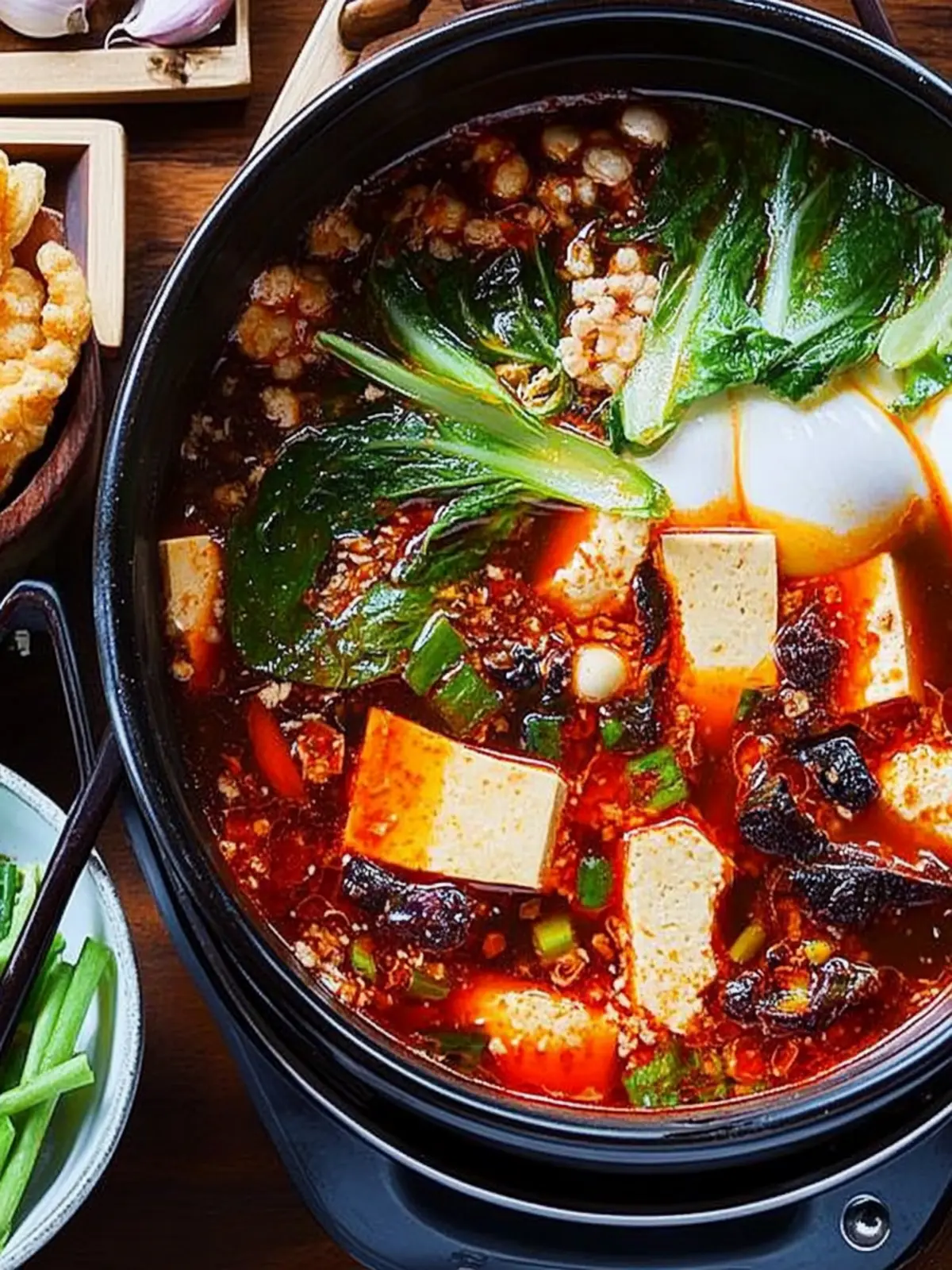
Why is Spicy Sichuan Hot Pot amazing?
Flavor Explosion: A delightful blend of spices, tender meats, and fresh veggies create a harmony of taste that is sure to impress.
Interactive Dining: Guests are part of the cooking experience, making each bite personal and suited to their preferences.
Hearty and Healthy: Packed with nutritious ingredients, this dish satisfies without the guilt perfect for health-conscious food lovers.
Versatile Options: Whether opting for the bold spicy broth or the milder variation, you can cater to all taste buds at the table.
Cultural Tradition: Enjoying hot pot is a cherished experience in Chinese culture, promoting connection and shared moments over food.
Spicy Sichuan Hot Pot Ingredients
For the Spicy Broth
- Sichuan Peppercorns Adds that signature tongue-tingling heat and unique flavor.
- Dried Red Peppers Enhances spice levels; use mild ones for less heat.
- Star Anise Infuses a sweet, licorice-like flavor into the broth.
- Ginger Brings warmth and freshness; can substitute with galangal for a unique flavor.
- Orange Peel Adds a delightful citrus note; lemon peel is a good alternative.
- Chicken Broth The base flavor; substitute with vegetable broth for a vegan option.
- Chili Bean Sauce Intensifies heat and umami; look for a gluten-free version if needed.
- Soy Sauce Adds depth; use tamari for a gluten-free alternative.
- Chili Oil Provides a rich, spicy finish; adjust the amount to your spice tolerance.
- Green Onions Brightens the broth and garnishes the dish beautifully.
For the Mild Broth
- Chicken Broth The main base; vegetable broth works well for vegans.
- Red Dates Sweetens the broth naturally; dried apricots can be a substitute.
- Goji Berries Adds a hint of sweetness and a nutritional boost.
- Garlic Provides fragrant depth; roasted garlic can enhance flavor complexity.
- Ginger Fresh is best, but powdered works in a pinch.
- Dried Mushrooms Use shiitake or porcini for rich umami flavor.
- Soy Sauce Again, key for flavor; opt for gluten-free tamari if desired.
- Sesame Oil Adds richness and nuttiness.
For Hot Pot Ingredients
- Diakon Radish Offers crunch and subtle sweetness; can use turnip for a change.
- Baby Corn Sweet and crunchy; regular corn can also be used but cut into smaller pieces.
- Mushrooms (Enoki) Light and delicate; any fresh mushrooms will work based on preference.
- Baby Bok Choy Adds a fresh color and tender bite; substitute with spinach if unavailable.
- Napa Cabbage Provides tender bites; use any other leafy green if needed.
- Shrimp Delicate and sweet; swap for firm tofu for a plant-based option.
- Thin-Sliced Beef (Ribeye or Sirloin) Ensures rich flavors; ask your butcher for thin slices or freeze for easy slicing.
- Firm Tofu Absorbs the broth flavors beautifully; fried tofu for more texture.
- Rice Noodles Hearty addition; skip for low-carb versions.
Embrace the fun of cooking together with Spicy Sichuan Hot Pot and make memories around the table!
How to Make Spicy Sichuan Hot Pot
Prepare Spicy Broth: In a large pot, stir-fry Sichuan peppercorns, dried red peppers, star anise, ginger, and orange peel in oil until fragrant. Then, pour in chicken broth and add mushrooms, diakon, baby corn, chili bean sauce, soy sauce, chili oil, and green onions. Bring it to a simmer for about 20 minutes, or until the diakon is tender.
Prepare Mild Broth: In another pot, combine chicken broth, diakon, red dates, goji berries, garlic, ginger, dried mushrooms, soy sauce, and sesame oil. Let this simmer for 20 minutes too, until everything is tender, creating a lovely sweet and savory base.
Plate the Ingredients: Arrange uncooked ingredients like meats, seafood, fresh vegetables, tofu, and rice noodles on distinct plates. This setup allows your guests easy access to everything they want to customize their hot pot experience.
Transfer Broth to Hot Pot: Pour the prepared broth into the hot pot or an electric cooker placed in the center of your table. Bring it to a gentle boil, ensuring it’s bubbling and ready for cooking.
Begin Cooking: Start cooking by adding firmer vegetables to the broth first, followed by shrimp and thin-sliced beef. Encourage each guest to use chopsticks or tongs to cook their choices to their desired doneness.
Savor with Dipping Sauces: Once cooked, allow guests to dip their ingredients in personal sauces or add them back to the broth for an extra burst of flavor before indulging.
Optional: Serve with small bowls of dipping sauces for an extra layer of flavor.
Exact quantities are listed in the recipe card below.
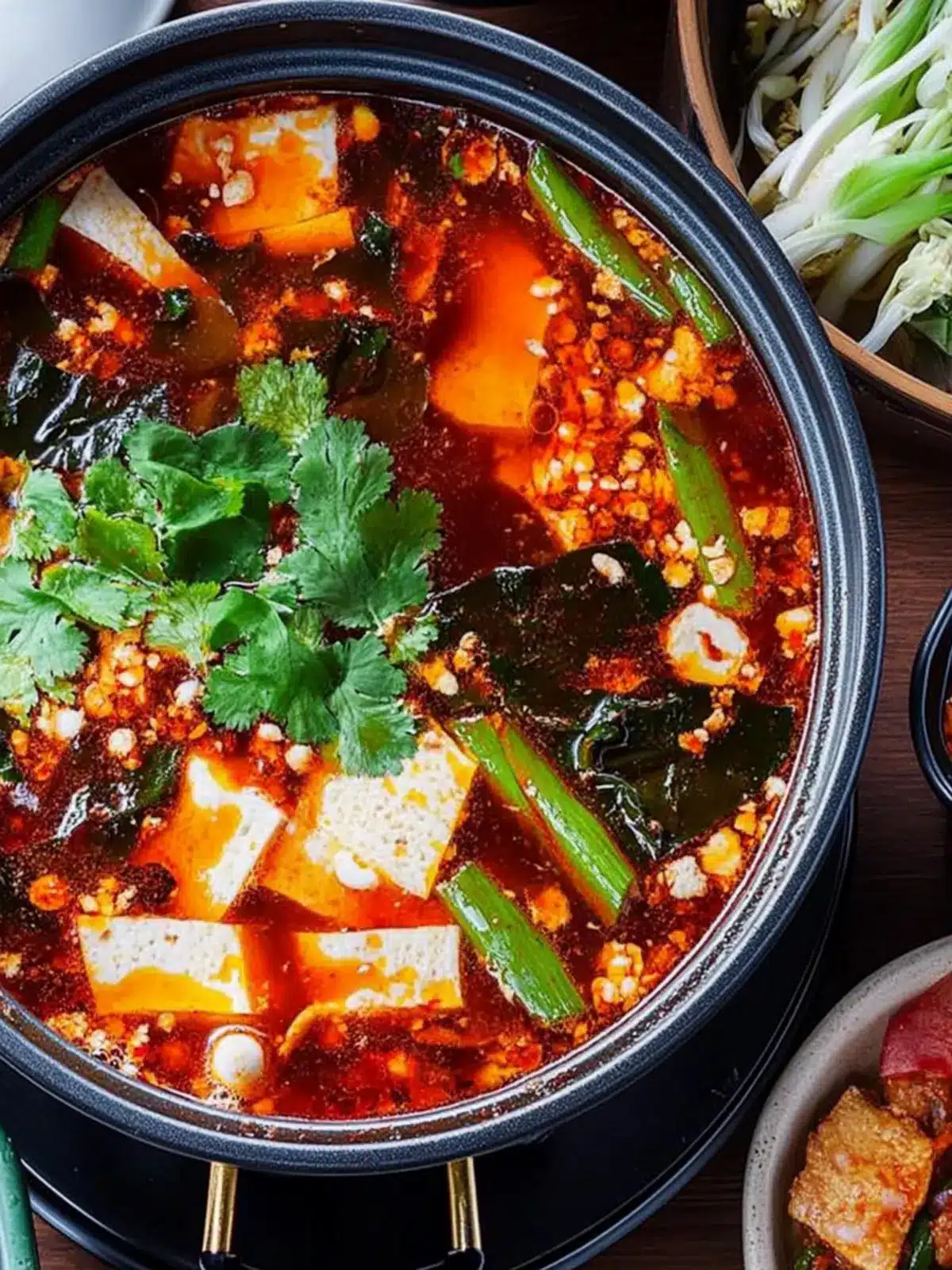
Make Ahead Options
These Spicy Sichuan Hot Pot preparations are a game-changer for busy weeknights! You can prepare both broths up to 3 days in advance and refrigerate them in airtight containers. Simply make the spicy broth and mild broth as directed, then let them cool before transferring to the fridge. For the fresh ingredients, slice veggies, and prepare meat or tofu up to 24 hours ahead, storing them separately in the fridge to preserve their crunch and freshness. When it s time to serve, reheat the broths on the stove until bubbling and then pour them into your hot pot. You’ll save time while still enjoying a vibrant and delicious meal that tastes just as good as if made fresh!
What to Serve with Spicy Sichuan Hot Pot?
As you dive into the delightful flavors of warm broth and fresh ingredients, it’s time to consider what will perfectly accompany this communal feast.
Fresh Spring Rolls: A light and crispy starter that offers a refreshing crunch and balance to the rich flavors of hot pot.
Crispy Tempura Vegetables: Lightly battered and fried veggies introduce a crispy texture that contrasts beautifully with the tender ingredients in the hot pot.
Chilled Sesame Noodles: These noodles provide a nutty flavor and cool contrast, making them a delightful side that complements the meal s warmth.
Garlic Soy Dipping Sauce: A tangy and robust sauce to add an extra layer of flavor to your cooked ingredients, enhancing each bite.
Chinese Black Vinegar: A sharp, tangy condiment that drizzled over your hot pot items can elevate the taste profile in a truly delightful way.
Fruity Green Salad: A medley of fresh greens, citrus, and avocado offers a bright and light counterpart that cleanses the palate throughout the meal.
Bring out the heartwarming flavors of your Spicy Sichuan Hot Pot with these thoughtful pairings, creating a well-rounded dining experience that everyone will cherish.
Spicy Sichuan Hot Pot Variations
Feel free to explore these exciting twists, making your hot pot experience even more delightful!
Vegan Broth: Substitute chicken broth with vegetable broth, enhancing the dish’s richness while keeping it plant-based.
To complement the flavors, consider adding miso paste for a savory depth that resonates well with the other ingredients.Gluten-Free Swap: Use gluten-free soy sauce or tamari in place of regular soy sauce, ensuring everyone can enjoy this meal.
This small adjustment opens the door for friends with dietary restrictions to savor the flavors without worry.Add Extra Heat: Incorporate fresh sliced chili or chili oil to give the spicy broth an extra kick.
Adjust based on your guests’ preferences, as each bite can be tailored to their heat enjoyment!Herbal Infusion: Enhance your mild broth by adding fresh herbs like cilantro or basil towards the end of cooking.
These fresh notes will uplift the flavors and transport you to a sunny garden with each delightful sip.Citrus Zing: Add a squeeze of lime or lemon juice to the finished hot pot for a bright, refreshing contrast.
This twist not only brightens the dish but also provides a zesty flavor explosion with every bite.Seafood Delight: Mix in different seafood options, like scallops or mussels, to diversify flavors and textures.
Their natural sweetness will enhance the broth, adding layers of delicious complexity to your communal feast.Cheesy Twist: For an indulgent experience, stir in some melted cheese or add cheese-filled dumplings to the pot.
This comforting addition introduces a creamy texture that perfectly balances the broth’s spiciness.Wild Mushroom Medley: Swap out regular mushrooms for a variety of wild mushrooms, like chanterelles or oyster mushrooms.
Their unique flavors can elevate the overall taste, making your hot pot an unforgettable culinary adventure!
How to Store and Freeze Spicy Sichuan Hot Pot
Fridge: Store leftover broth in an airtight container for up to 3 days. Keep cooked ingredients separately to maintain texture and flavor.
Freezer: For long-term storage, freeze the broth in freezer-safe containers, allowing for 1-2 inches of space at the top. It can last up to 3 months.
Reheating: Reheat the broth gently on the stovetop or in the microwave until piping hot. For best results, avoid boiling to preserve flavors.
Ingredient Prep: Vegetables and proteins can be prepped ahead and kept in the fridge for up to 2 days. This way, your Spicy Sichuan Hot Pot can be easily assembled when you’re ready to feast!
Tips for the Best Spicy Sichuan Hot Pot
- Flavor Depth: Enhance your Spicy Sichuan Hot Pot by using freshly toasted spices, as this intensifies the overall taste experience.
- Broth Balance: If the broth becomes too spicy, add extra broth or a splash of coconut milk to mellow the heat without compromising the flavor.
- Ingredient Timing: Always add firmer vegetables first, like diakon and corn, to ensure everything cooks evenly and perfectly before guests indulge.
- Avoid Clumping: Avoid overcrowding the hot pot; let ingredients have enough space to cook properly and absorb flavors from the broth.
- Cross-Contamination Care: Use separate chopsticks for raw and cooked ingredients, as this keeps your Spicy Sichuan Hot Pot safe and enjoyable for everyone.
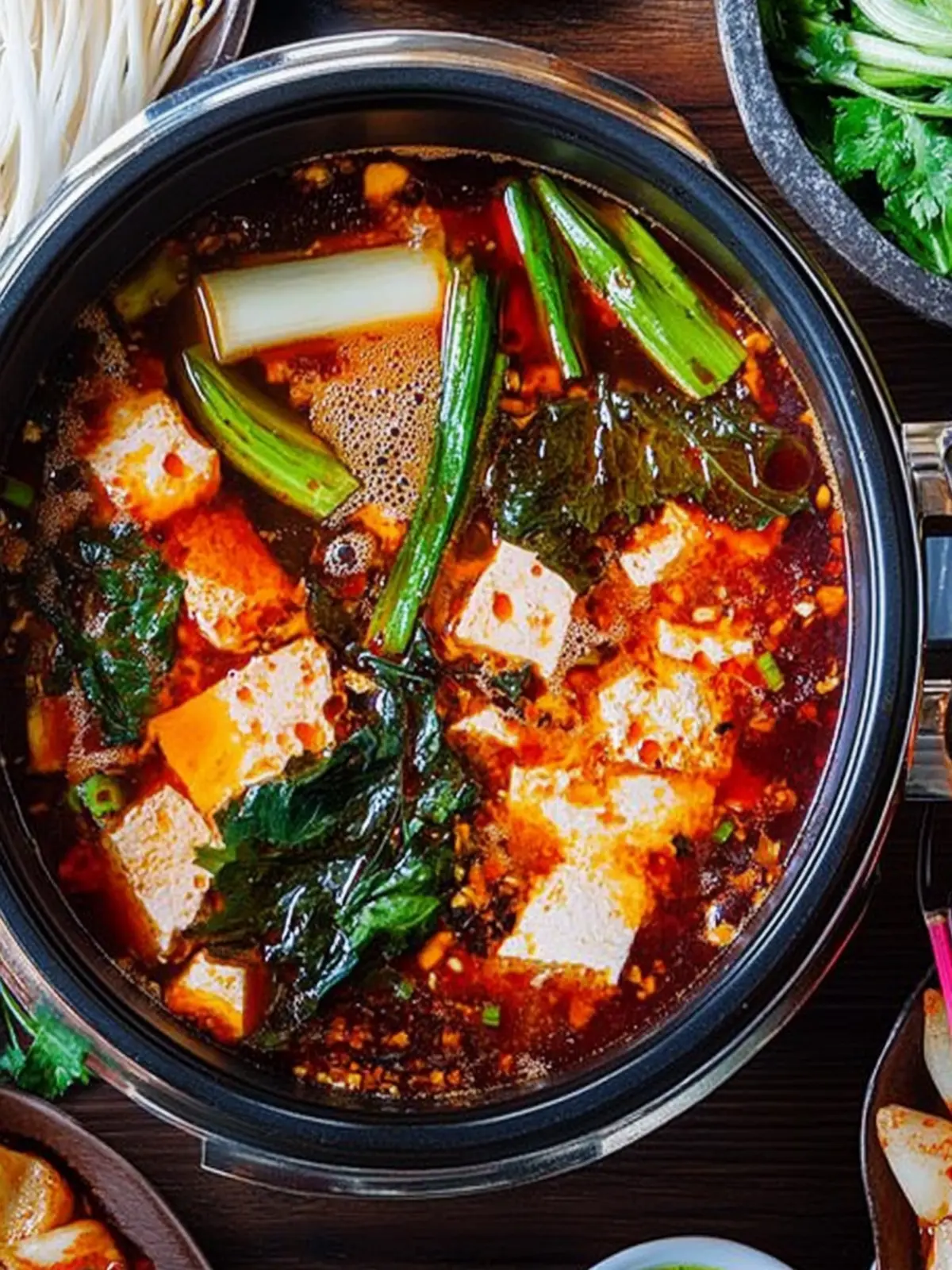
Spicy Sichuan Hot Pot Recipe FAQs
What kind of diakon should I use for my hot pot?
Choose firm, fresh diakon radishes that are evenly shaped and free from dark spots. They should feel heavy for their size. If diakon isn’t available, a similar firm vegetable like turnip works well as a substitute.
How do I properly store leftovers from the hot pot meal?
Store any leftover broth in an airtight container in the fridge for up to 3 days. It’s best to keep cooked ingredients like shrimp and vegetables separately to maintain their texture. You can also prep your ingredients ahead of time and keep them in the fridge for up to 2 days.
Can I freeze the spicy broth for later use?
Absolutely! To freeze the broth, allow it to cool completely before pouring it into freezer-safe containers. Leave 1-2 inches of space at the top to allow for expansion. The broth can be stored in the freezer for up to 3 months. When you re ready to use it, just thaw it in the fridge overnight and reheat gently on the stovetop.
If my broth is too spicy, what can I do to tone it down?
If you find your spicy Sichuan broth is too intense, try adding a splash of coconut milk or another mild broth to balance the heat. You can also add more vegetables like potatoes or carrots to absorb some of that spice, which will help mellow it down. Remember to simmer gently after adding to integrate those flavors nicely.
Is there a substitute for soy sauce in this hot pot recipe?
If you need a gluten-free option, tamari is a fantastic alternative that still provides that rich umami flavor. For those on low sodium diets, you can look for reduced-sodium soy sauce or even a diluted coconut amino alternative for a different twist.
Are there any dietary considerations I should be aware of when serving hot pot?
Definitely! This recipe can easily be made gluten-free with the right sauces and ingredients. Additionally, for vegetarians or vegans, simply substitute the meat-based ingredients with firm tofu, and replace chicken broth with vegetable broth. Always check for any allergies related to seafood or nuts in your dipping sauces as well.