
Savory Mongolian Beef Recipe Ready in Just 30 Minutes
Last Updated on May 8, 2026 by aitanarecipez
When the craving for takeout hits but time is tight, my go-to is this easy Mongolian Beef recipe. Imagine the aroma of tender beef sizzling in a hot skillet, mingling with the vibrant colors of fresh vegetables like crisp carrots and sweet red bell peppers. This dish transforms a busy weekday into an exciting dining experience, all in just 30 minutes!
The secret? A mouthwatering sauce that balances savory soy sauce, aromatic ginger, and a hint of sweetness from brown sugar a combination that makes each bite burst with flavor. Whether served over fluffy rice, protein-packed quinoa, or even zoodles for a low-carb twist, it’s a versatile meal that pleases everyone at the table.
Let s dive in and create a homemade sensation that ll have your family skipping the drive-thru altogether!
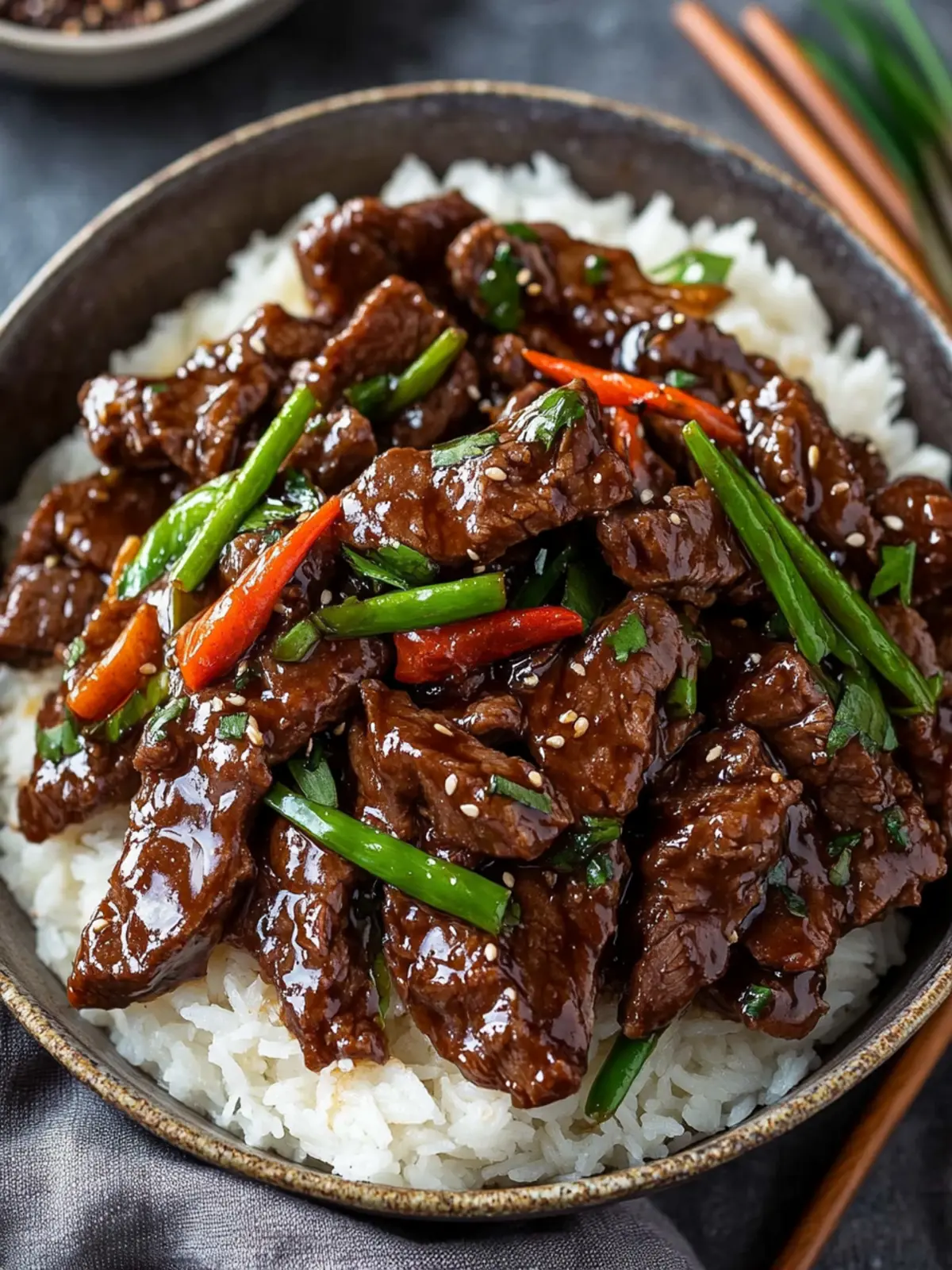
Why is this Mongolian Beef Recipe a Must-Try?
Quick and Easy: In just 30 minutes, you can whip up a delicious meal that rivals your favorite restaurant, all from the comfort of home.
Flavor Explosion: A perfect harmony of savory soy sauce, ginger, and brown sugar delivers a sauce that truly elevates the dish.
Crispy Texture: The corn starch coating on the beef ensures a delightful, crispy bite, perfectly complementing the tender meat.
Customizable: Feel free to substitute with your favorite vegetables or protein, making it adaptable to any dietary needs.
Family Friendly: Everyone will love this hearty dish, sure to become a repeat favorite at your dinner table!
Healthy Options: Looking for a low-carb alternative? Try substituting rice with zucchini noodles for a fresh twist!
Mongolian Beef Ingredients
For the Beef
- Flank Steak Slice thinly against the grain for the most tender bites; can substitute with top sirloin, skirt steak, or rib eye.
- Corn Starch Coats the beef for a crispy texture that s irresistible.
For the Sauce
- Low-Sodium Soy Sauce The flavorful base for your sauce; using this ensures a well-balanced flavor; can be swapped with Tamari for a gluten-free option.
- Brown Sugar Adds a hint of sweetness that beautifully balances the savory elements.
- Fresh Ginger Provides aromatic warmth with a zesty kick.
- Garlic Cloves Infuses depth of flavor, enhancing the overall taste.
- Sriracha Adds optional heat; adjust to your spice preference.
- Water Helps achieve the right sauce consistency for coating the beef.
For the Vegetables
- Carrot Introduces color and a satisfying crunch; substitute with zucchini or bell pepper for more variety.
- Red Bell Pepper Brings sweetness and texture; feel free to use any colored bell pepper.
- Green Onions Adds a fresh touch and bright garnish; can also use chives as an alternative.
For Cooking
- Unsalted Butter Enhances richness and flavor in your stir-fry.
- Neutral Oil (e.g., canola, peanut, or avocado oil) Ideal for frying due to its high smoke point.
Optional Garnishes
- Sesame Seeds Sprinkle on top for added texture and visual appeal.
How to Make Mongolian Beef
Prep the Beef: Slice the flank steak thinly against the grain and coat it with corn starch. This helps ensure that your beef will be tender and crispy once cooked.
Make the Sauce: In a mixing bowl, combine the low-sodium soy sauce (or Tamari for gluten-free), brown sugar, fresh ginger, minced garlic, water, and Sriracha. Stir well until the sugar is dissolved and the mixture is smooth.
Stir-Fry Vegetables: Heat a skillet or wok over medium-high heat, adding a mix of unsalted butter and neutral oil. Stir-fry the carrot and red bell pepper until they are tender yet still crisp, then remove them from the pan.
Cook the Beef: Increase the heat to high, adding more oil if needed. Sear the beef slices in batches for about 2 minutes per side until they turn a golden brown and crispy, ensuring not to overcrowd the pan.
Combine: Return your sautéed vegetables to the skillet with the seared beef. Pour the prepared sauce over the mixture and stir everything together. Let it simmer until the sauce thickens, around 3 minutes.
Serve: Plate the Mongolian beef and garnish with sliced green onions and sesame seeds, if desired. Enjoy over steamed rice, quinoa, or your choice of side.
Optional: Serve with a sprinkle of extra sesame seeds for a delightful crunch.
Exact quantities are listed in the recipe card below.
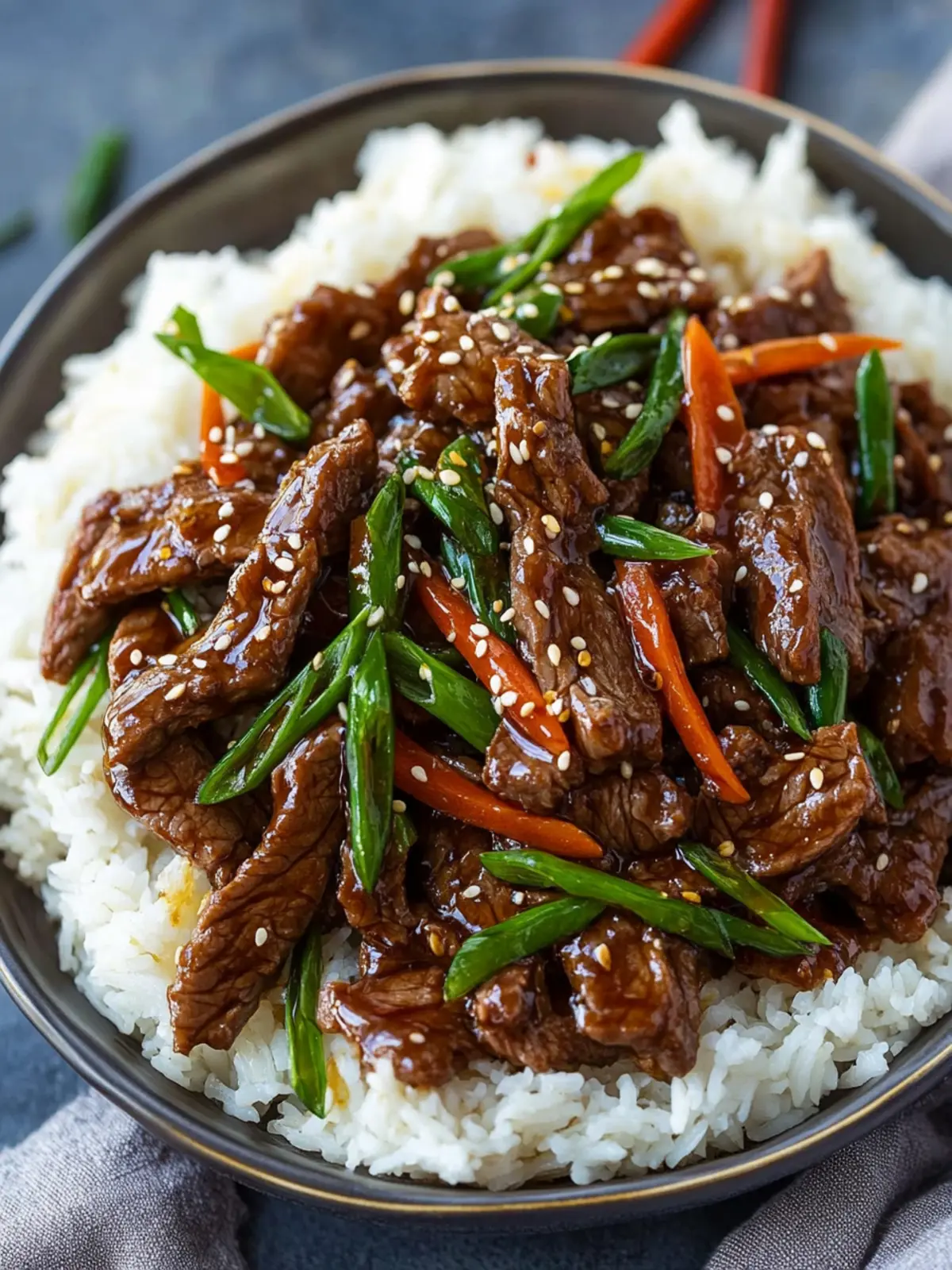
Expert Tips for Mongolian Beef Recipe
Slice the Beef Properly: For tender meat, always slice the flank steak against the grain. This technique ensures each bite is juicy and easy to chew.
Don’t Skip the Corn Starch: Coating the beef with corn starch is crucial for achieving that crispy texture. Skip this step, and you might end up with soggy meat instead.
Prepare Ahead: Have all ingredients prepped and ready before you start cooking. This helps maintain high heat during cooking, ensuring your beef is perfectly seared.
Control the Heat: Use a high smoke point oil and a heavy pan to avoid steaming instead of stir-frying. Proper heat creates that delightful sear that is so important in this Mongolian beef recipe.
Adjust the Sauce: Feel free to tweak the level of Sriracha in the sauce based on your spice tolerance; it s a great way to customize the dish to your family s taste.
Utilize Leftovers Wisely: If you have leftovers, try adding them into a stir-fry with noodles or grains for an easy next-day meal!
Mongolian Beef Variations
Feel free to mix things up and create a dish that reflects your taste!
Gluten-Free: Swap regular soy sauce with Tamari for a gluten-free option, keeping all the flavor intact.
Vegetable Boost: Add broccoli or snap peas for extra nutrients and color; they pair beautifully with the dish’s sweet and savory sauce.
Protein Switch: Try chicken breast or shrimp instead of beef for a lighter twist that still promises delicious flavors.
Spicy Kick: Increase the Sriracha or add fresh sliced jalapeños for a bolder heat level; perfect for spice lovers wanting extra zing!
Coconut Sugar Alternative: Use coconut sugar in place of brown sugar for a less processed sweetness that complements the sauce.
Roasted Garlic: Instead of fresh garlic, roast whole cloves and mash them into the sauce for a sweeter, richer flavor that enhances the dish.
Crunchy Texture: Top with chopped cashews or peanuts for a delightful crunch that contrasts with the tender beef and vibrant veggies.
Zoodles Option: Serve over zucchini noodles for a fresh, low-carb alternative that adds a new texture and flavor dimension.
Get ready to experiment, and enjoy delicious variations of this beloved dish!
How to Store and Freeze Mongolian Beef
Fridge: Store leftover Mongolian beef in an airtight container for up to 3 days. Allow it to cool completely before sealing to avoid condensation.
Freezer: For longer storage, freeze the dish in a leak-proof container for up to 3 months. Make sure to label with the date for easy tracking.
Reheating: To reheat, thaw overnight in the fridge if frozen, then warm in a skillet over medium heat. Add a splash of water or broth if the sauce has thickened too much.
Serving Suggestions: If you plan on freezing, consider storing the beef sauce separate from any sides like rice or noodles to preserve textures and flavors.
What to Serve with Mongolian Beef?
Creating a well-rounded meal to accompany this savory dish is a delight. Let s elevate your dining experience with these perfect pairings!
Steamed Jasmine Rice: The fluffy texture and subtle fragrance of jasmine rice absorb the flavorful sauce, creating a comforting base for the beef.
Garlic Broccoli: Sautéed with a hint of garlic, this green vegetable adds a crunchy, nutritious element that balances the rich, savory flavors of the Mongolian beef.
Light Cucumber Salad: A refreshing cucumber salad dressed in rice vinegar brings a crispy, cool contrast to the hearty main dish, brightening the flavor palate.
Zucchini Noodles: For a low-carb option, spiralized zucchini serves as a fantastic alternative to regular noodles, soaking up the delicious sauce beautifully.
Sesame Ginger Snap Peas: Quick and easy sautéed snap peas drizzled with sesame oil provide a lovely sweet crunch alongside the tender beef.
Chilled Sake: This smooth, aromatic drink enhances the meal, complementing the umami flavors of the beef while adding a touch of elegance to your dinner table.
With these delightful pairings, your Mongolian beef experience will be nothing short of exceptional!
Make Ahead Options
These Mongolian Beef meal prep strategies are perfect for busy weeknights! You can slice and coat the flank steak with corn starch up to 24 hours in advance; just store it in an airtight container in the refrigerator to keep it fresh. Chop the vegetables, like carrots and bell peppers, and refrigerate them in a separate container for up to 3 days. When you’re ready to cook, simply whip up the sauce in minutes, stir-fry the beef until crispy, and combine everything in the skillet. This way, you’ll enjoy the same delicious flavors without the rush, creating a satisfying meal with minimal effort!
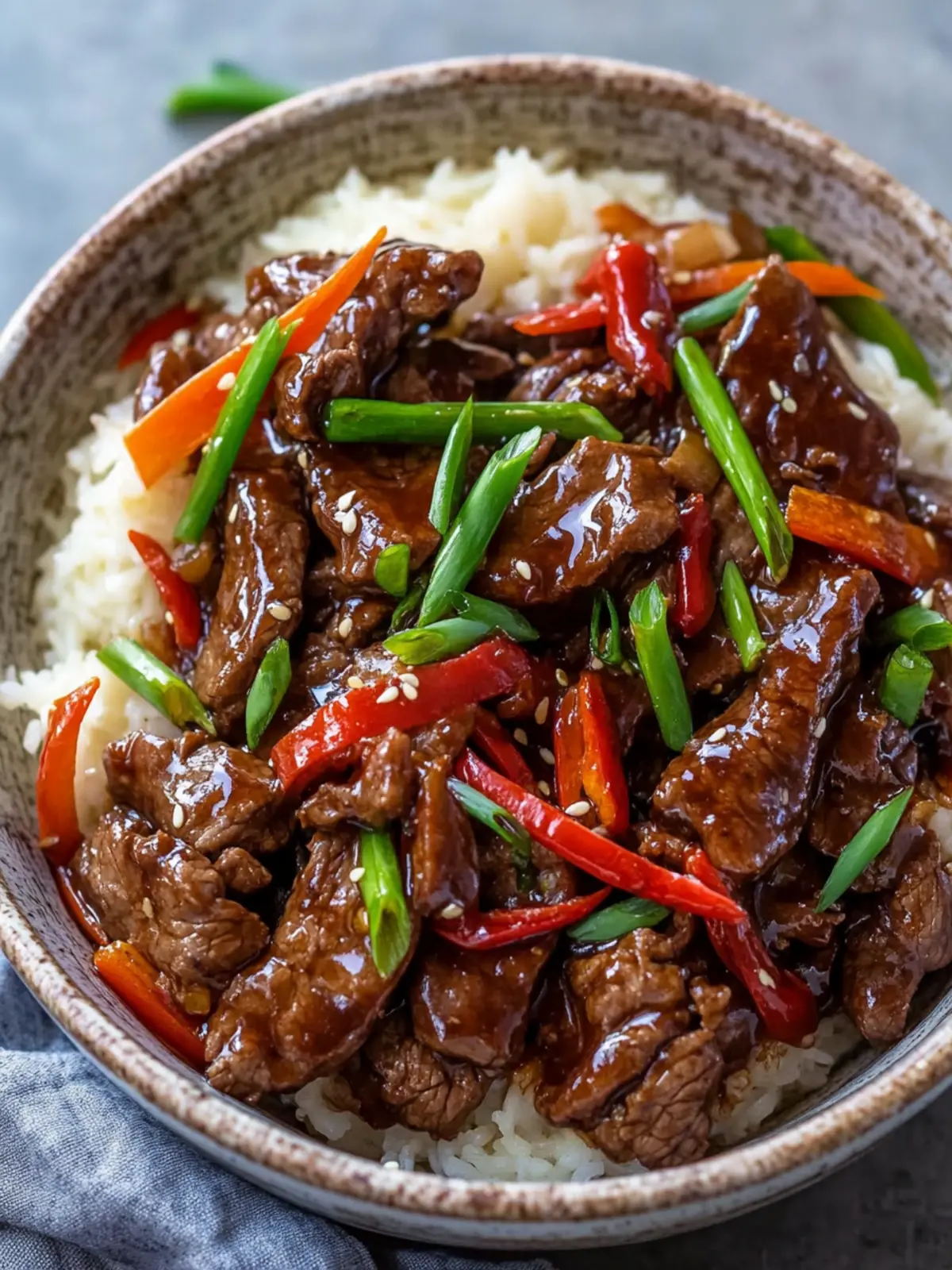
Mongolian Beef Recipe FAQs
What kind of beef should I use for Mongolian Beef?
For the best results, flank steak is recommended because it’s tender and easy to slice against the grain. If you can’t find flank, top sirloin, skirt steak, or rib eye are excellent substitutes. Just ensure the beef is thinly sliced for optimal tenderness.
How do I store leftover Mongolian Beef?
Leftover Mongolian beef can be stored in an airtight container in the fridge for up to 3 days. Make sure to let it cool completely before sealing it to avoid condensation, which can make it soggy.
Can I freeze Mongolian Beef?
Absolutely! To freeze Mongolian beef, allow it to cool and then transfer it to a leak-proof container. It can be stored in the freezer for up to 3 months. Be sure to label it with the date to keep track of freshness. When you re ready to enjoy it, thaw overnight in the fridge, then reheat gently in a skillet.
What if my sauce turns out too thick?
If your sauce is too thick, don’t worry! Simply add a tablespoon or two of water or broth while gently stirring it in a skillet over medium heat. This will help loosen the sauce while maintaining its flavor.
Can I use gluten-free ingredients in this recipe?
Yes! To make the Mongolian beef gluten-free, simply substitute regular soy sauce with Tamari sauce. This swap ensures that you can enjoy the rich, savory flavor of the sauce without gluten. Be sure to check your other ingredients as well, like Sriracha, to make sure they are gluten-free.
What vegetables can I substitute in this recipe?
Feel free to get creative! While this recipe calls for carrots and red bell peppers, other options like broccoli, snow peas, zucchini, or even snap peas can add different flavors and textures. The more the merrier when it comes to colorful veggies!