
Korean Dumplings (Mandu) – Must-Try Festive Asian Delight
Last Updated on May 8, 2026 by aitanarecipez
When my friends and I decided to host a festive potluck, I couldn t shake the craving for something special that would transport us to the streets of Seoul. That s when Korean dumplings, or mandu, came to mind. There’s just something about these little pockets of flavor crispy on the outside, tender on the inside, and bursting with a delightful filling that keeps you coming back for more.
Preparing these dumplings is an act of love; they bring people together in a joyous, hands-on experience. Picture a lively kitchen filled with laughter as we mix together perfectly pressed tofu, vibrant kimchi, and savory pork the aroma alone is enough to lift your spirits. With just a few simple ingredients and about 20 minutes, you can create a dish that s perfect for any occasion, whether it s a casual weeknight dinner or a festive celebration.
Grab your wrappers and let s dive into this delicious recipe that s sure to wow your guests and give fast food a run for its money!
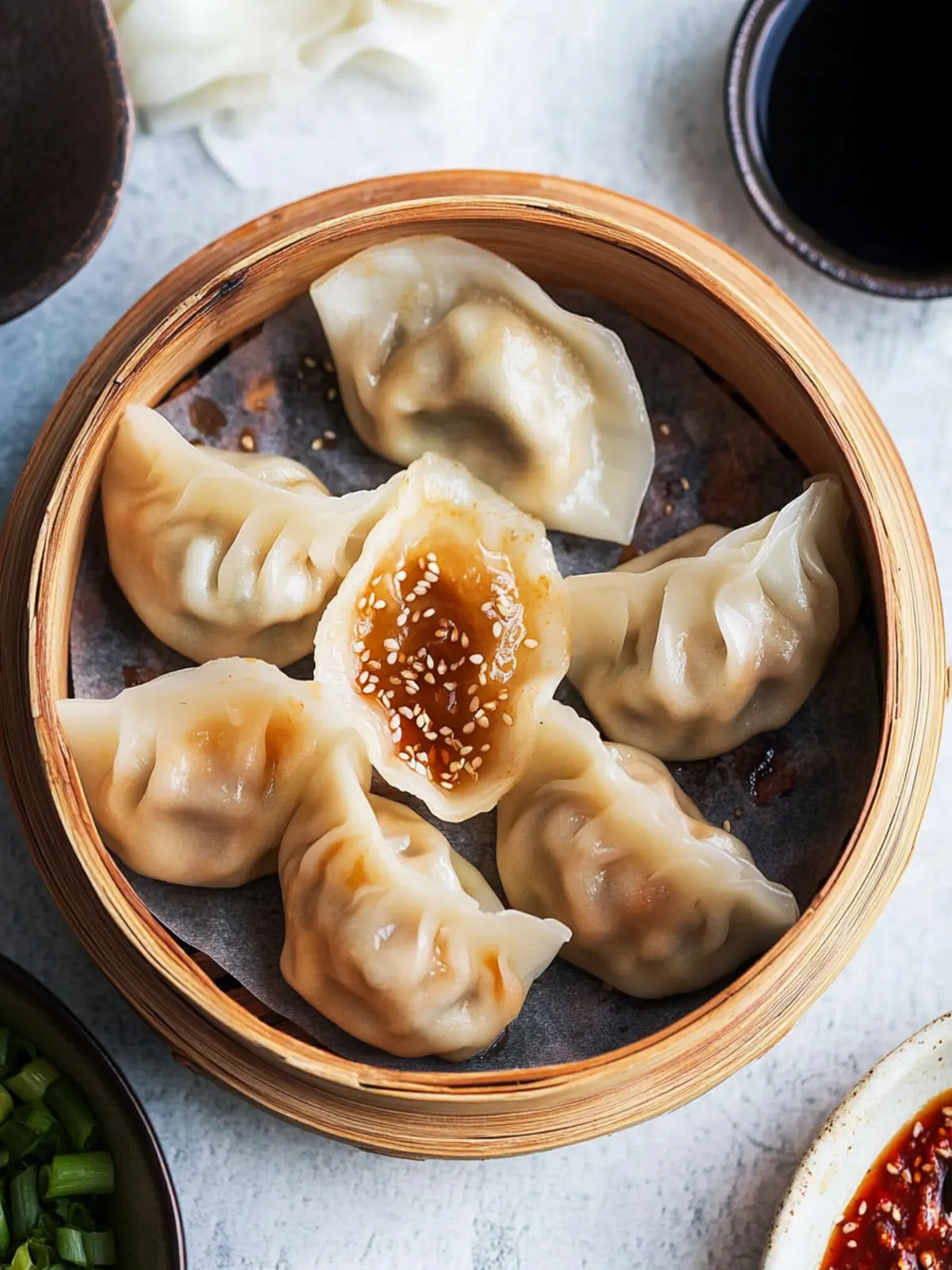
Why will you love Korean Dumplings (Mandu)?
Easy to Make: With just 20 minutes of your time, you can whip up a flavorful dish that’s perfect for any occasion.
Healthy Ingredients: Packed with nutrition from kimchi, tofu, and veggies, these dumplings are as wholesome as they are delicious.
Flavor Explosion: Each bite offers a savory blend of pork and spices that transport your taste buds straight to Korea.
Great for Sharing: Perfect for potlucks and gatherings, these dumplings are sure to impress your friends and family.
Creative Customization: Feel free to experiment with fillings; they’re as flexible as your imagination! For more delightful dishes, check out my festive Asian recipes to expand your culinary repertoire.
Perfectly Dippable: The accompanying dipping sauce adds an irresistible zing, enhancing the entire dining experience!
Korean Dumplings (Mandu) Ingredients
For the Dumplings
- Dumpling wrappers Slightly thick wrappers hold up better when steaming.
- Kimchi Adds a tangy, spicy flavor; ensure it’s finely chopped for easy wrapping.
- Tofu Use firm tofu for a better texture and to absorb the flavors.
- Mung bean sprouts Provide a nice crunch, enhancing the dumpling filling.
- Onion Finely chopped onions add sweetness; just make sure to squeeze out excess moisture.
- Scallions Fresh scallions enhance the overall flavor with their mild onion-y notes.
- Ground pork or beef Use ground pork for authentic flavor, but beef is a great substitute.
- Minced garlic Adds aromatic depth to the filling; use fresh for the best taste.
- Fresh ginger Offers warmth; finely grate or juice it for the most flavor.
- Sesame oil Adds a nutty richness, enhancing the deliciousness of the Korean dumplings (mandu).
- Soy sauce Brings saltiness and umami to the filling; don’t skip this ingredient!
- Egg A binding agent to help hold everything together; use half an egg for best results.
- Salt A pinch to season the filling; taste as you go.
- Pepper Adds a subtle warmth; adjust according to your taste preference.
For the Dipping Sauce
- Soy sauce The base of the dipping sauce provides that signature salty flavor.
- Vinegar A splash contributes acidity, balancing richness.
- Water Helps dilute the sauce to the desired consistency.
- Sugar Balances the salty and sour notes for a well-rounded flavor.
- Ground black pepper Adds a hint of heat; adjust to taste.
- Red pepper flakes (gochugaru) For a kick of spice; perfect for those who love a bit of heat!
Now, let s put these ingredients to good use and create some delightful Korean dumplings that will make your next gathering unforgettable!
How to Make Korean Dumplings (Mandu)
Chop the Ingredients: Finely chop the kimchi and press it to remove excess liquid. Do the same with the tofu by placing it under a heavy object, then squeezing it by hand.
Blanch the Bean Sprouts: In boiling water, blanch the mung bean sprouts for about 1-2 minutes. Drain, chop, and squeeze out any remaining moisture.
Prep the Aromatics: Finely chop the onion and scallions, squeezing out any excess moisture. These will add amazing flavor to your filling.
Mix the Filling: In a large bowl, combine all the prepped ingredients: kimchi, tofu, mung bean sprouts, onion, scallions, ground pork or beef, garlic, ginger, sesame oil, soy sauce, egg, salt, and pepper. Mix gently but thoroughly with your hands.
Fill the Wrappers: Take a dumpling wrapper and place a heaping teaspoon of filling in the center. Moisten the edges with water or egg wash, then fold and seal tightly, pushing out any air. For round dumplings, simply pinch the ends together.
Steam the Dumplings: Line your steamer with cheesecloth or a paper towel to prevent sticking and steam the dumplings for about 8 minutes. Steam longer if they are frozen.
Prepare the Dipping Sauce: In a small bowl, combine soy sauce, vinegar, water, sugar, black pepper, and red pepper flakes. Mix well and set aside for serving.
Optional: Serve with chopped scallions for an extra pop of freshness!
Exact quantities are listed in the recipe card below.
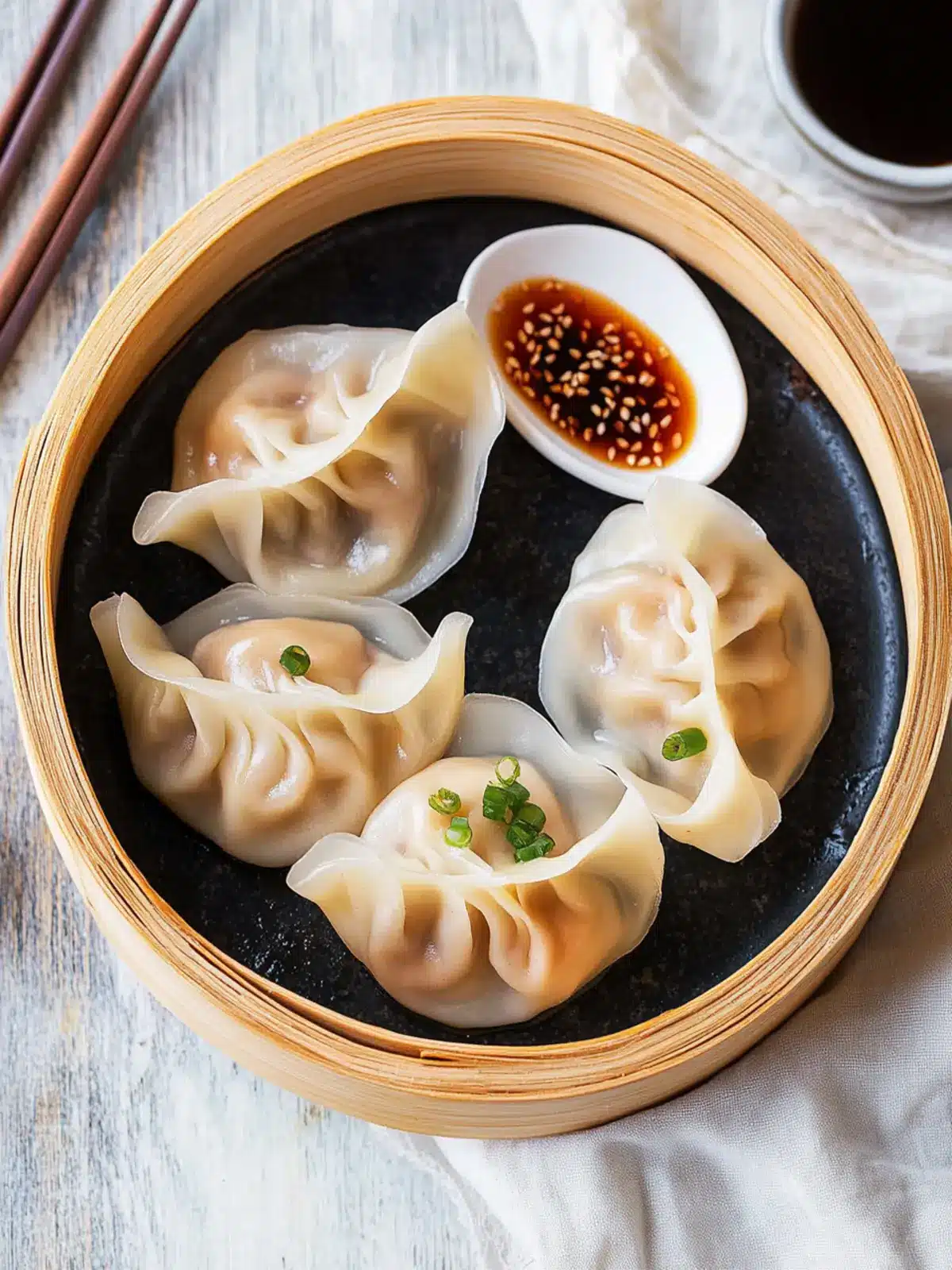
Korean Dumplings (Mandu) Variations
Feel free to unleash your culinary creativity and make these dumplings your own!
- Vegetarian: Substitute ground pork or beef with finely chopped mushrooms or an extra dollop of tofu for a hearty filling that s equally satisfying.
- Spicy Kick: Add a tablespoon of gochujang to the filling for a fiery twist that makes each bite explode with flavor.
- Gluten-Free: Use gluten-free dumpling wrappers made from rice flour to cater to gluten sensitivities while keeping the dish authentic.
- Herb-Infusion: Stir in chopped fresh herbs like cilantro or basil for an aromatic freshness that brightens the dish.
- Crunchy Texture: Mix in some grated carrots or finely chopped bell peppers for a vibrant crunch that adds another layer of delight.
- Sweet & Savory: Incorporate a bit of hoisin sauce into the filling for a touch of sweetness that balances the savory Korean flavors beautifully.
- Cooked vs. Fried: For a crispy version, pan-fry the dumplings until golden before serving, creating a delightful contrast between crunchy and tender.
- Dipping Sauce Variety: Experiment with the dipping sauce by adding a splash of sesame oil or a hint of honey for a sweet-savory experience that elevates the entire meal.
Make Ahead Options
Korean Dumplings (Mandu) are perfect for meal prep, making busy weeknights much easier! You can prepare the filling (kimchi, tofu, sprouts, meat, and spices) up to 3 days in advance and refrigerate it in an airtight container to maintain freshness. Additionally, you can assemble the dumplings and place them in a single layer on a lined baking sheet cover tightly and freeze for up to 1 month. When you’re ready to cook, steam straight from frozen for about 10-12 minutes, adding a couple of minutes for best results. This way, you’ll enjoy delicious, homemade dumplings that are just as flavorful, saving you both time and effort!
How to Store and Freeze Korean Dumplings (Mandu)
Room Temperature: Korean dumplings (mandu) can be kept at room temperature for up to 2 hours before they should be refrigerated to prevent spoilage.
Fridge: Store any leftover cooked dumplings in an airtight container in the fridge for up to 3 days. Reheat gently in a steamer or skillet.
Freezer: Uncooked dumplings can be frozen on a baking sheet until solid, then transferred to a freezer bag for up to 3 months. Steam directly from frozen, adding a few extra minutes to cooking time.
Reheating: To reheat cooked dumplings, steam them for about 5 minutes or pan-fry in a little oil to crisp them up again. Enjoy them warm for the best taste!
What to Serve with Korean Dumplings (Mandu)?
Picture a table filled with vibrant flavors and delightful textures that perfectly accompany your homemade Korean dumplings, creating a culinary celebration.
Seared Spinach: This leafy green dish provides an earthy contrast, balancing the richness of the dumplings with a touch of garlic.
Crispy Vegetable Spring Rolls: These crunchy bites add a delightful crunch, making them a fun starter that perfectly complements the succulent mandu.
Fragrant Jasmine Rice: Fluffy rice offers a neutral base that soaks up the delicious dipping sauce, rounding out your meal beautifully.
Kimchi Fried Rice: A hearty and spicy blend, this dish continues the kimchi theme and adds depth of flavor to your dinner.
Miso Soup: A warm bowl of miso soup enhances the meal’s comforting vibe, providing a soothing contrast to the dumplings’ savory bite.
Asian Slaw: A refreshing mix of crunchy vegetables dressed in a sesame-ginger vinaigrette gives a fresh, crispy counterpart to the tender dumplings.
Chilled Sake: This smooth rice wine has a slightly sweet finish, making it a soothing beverage that pairs beautifully with the savory notes in your dumplings.
Fruit Mochi for Dessert: These chewy treats filled with sweet fruit flavor create a delightful ending to your meal, adding an element of fun and satisfaction.
Expert Tips for Korean Dumplings (Mandu)
Ingredient Quality: Use fresh, high-quality kimchi and tofu for the best flavor. The freshness of your ingredients can make all the difference in your Korean dumplings (mandu).
Moisture Control: Ensure all ingredients are well-drained to avoid soggy dumplings. Excess moisture can lead to dumpling disasters, so squeeze out as much water as possible.
Filling Technique: Don t overfill your dumpling wrappers; a heaping teaspoon is sufficient. Overstuffing can lead to tearing and leaks during steaming.
Sealing Method: Use water or egg wash to moisten the edges of the wrappers, ensuring a tight seal. This prevents your dumpling from opening while cooking.
Steaming Time: Keep track of steaming time about 8 minutes is usually perfect. If they are frozen, add a few extra minutes but keep an eye on them to avoid overcooking.
Dipping Sauce Variations: Feel free to experiment with your dipping sauce by adding ingredients like sesame seeds or chili oil for an extra kick!
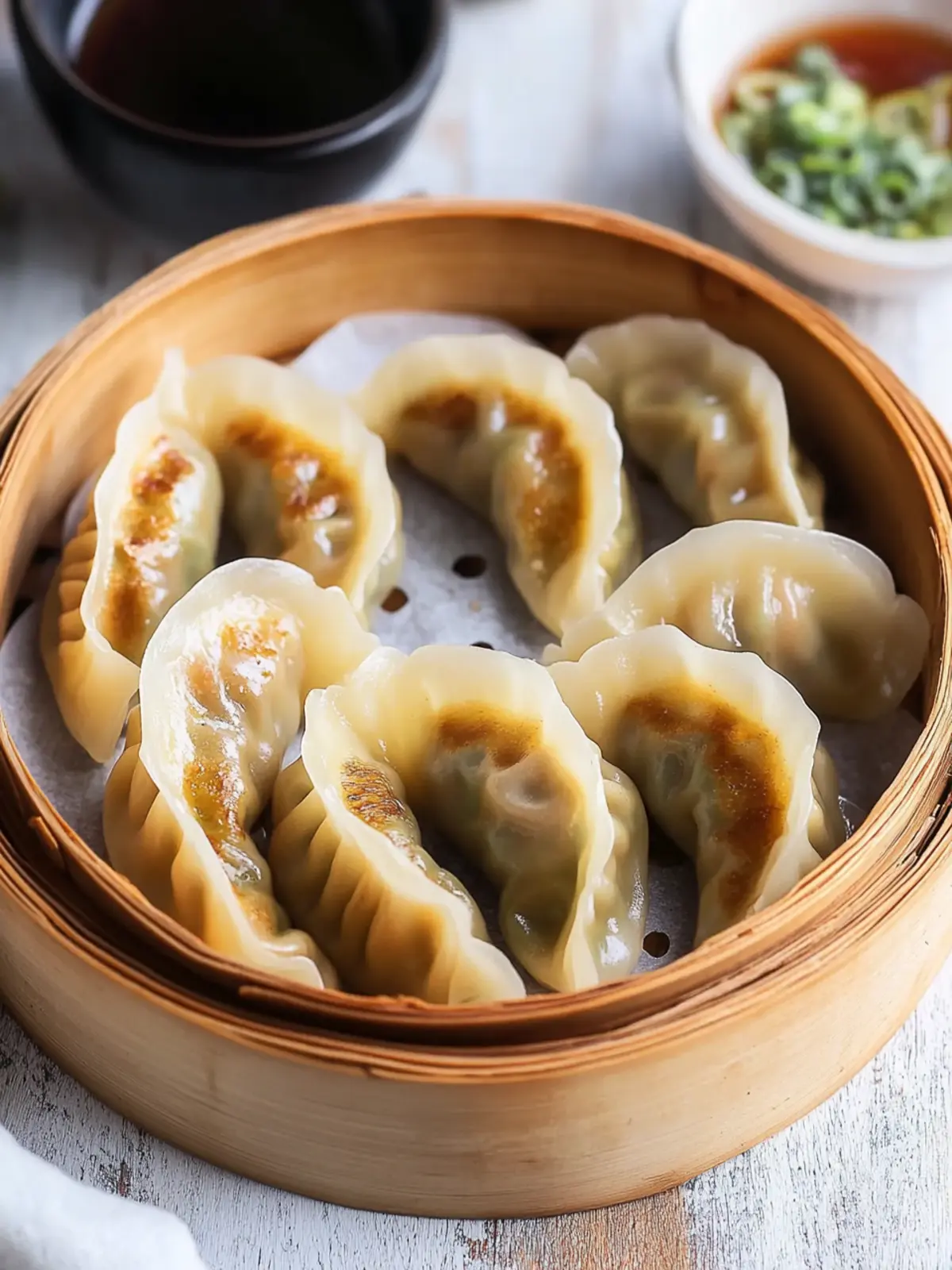
Korean Dumplings (Mandu) Recipe FAQs
What type of kimchi should I use for the filling?
Absolutely! For the best flavor, use a ripe, fermented kimchi that you enjoy. If it’s too fresh, it may not have developed the tangy flavor that enhances the dumplings. Make sure to finely chop it to ensure even distribution in the filling.
How should I store leftover Korean dumplings?
Leftover cooked dumplings can be stored in an airtight container in the fridge for up to 3 days. When you’re ready to enjoy them again, reheat gently either in a steamer for about 5 minutes or in a skillet with a little oil to get that crispy outside back.
Can I freeze uncooked Korean dumplings?
Yes! To freeze, place the uncooked dumplings in a single layer on a baking sheet and freeze until solid. Then transfer them to a freezer bag or airtight container for up to 3 months. When ready to cook, steam them straight from frozen, adding a few extra minutes to the cooking time.
What should I do if my dumplings are leaking during cooking?
If your dumplings are leaking, it might be due to overfilling or not sealing them tightly. To prevent this, avoid overstuffing the wrappers use just a heaping teaspoon of filling. Make sure to moisten the edges well before sealing, pushing out any trapped air, so they close securely.
Are these dumplings safe for people with dietary restrictions?
Great question! This recipe contains tofu and meat, making it unsuitable for vegetarians or vegans. If you have allergies, check the ingredient list carefully. Substitute the meat for additional tofu and vegetables for a vegetarian dumpling or use gluten-free wrappers if necessary. Always ensure that your choice of kimchi is free of allergens if you have specific dietary needs.
How should I serve Korean dumplings (mandu)?
Serve your lovely mandu hot, alongside the dipping sauce. You can also garnish with chopped scallions or sesame seeds for a delightful crunch. They make a fantastic appetizer or snack, perfect for sharing among friends!