
Delicious Kimchi Napjak Mandu: Easy Flat Dumplings to Impress
Last Updated on May 8, 2026 by aitanarecipez
The vibrant streets of Daegu unfold a culinary treasure that I can’t resist: Kimchi Napjak Mandu. Picture this an enticing aroma fills the air, as these flat dumplings sizzle in a hot pan, transforming into crispy bites of joy. Inspired by Korean street food, these dumplings are not only a delightful nod to tradition but also a celebration of simplicity, perfect for both casual evenings and festive gatherings like Seollal, the Korean New Year.
What makes these Kimchi Mandu so appealing is their versatility; filled with a harmonious blend of kimchi and delicate glass noodles, they are the ideal choice when you’re craving something flavorful yet uncomplicated. Whether you re entertaining guests or simply enjoying a quiet dinner, these dumplings promise to lift your spirits and banish any inclination toward fast food. Join me as we dive into this delightful recipe that s sure to take your dinner table on a culinary adventure!
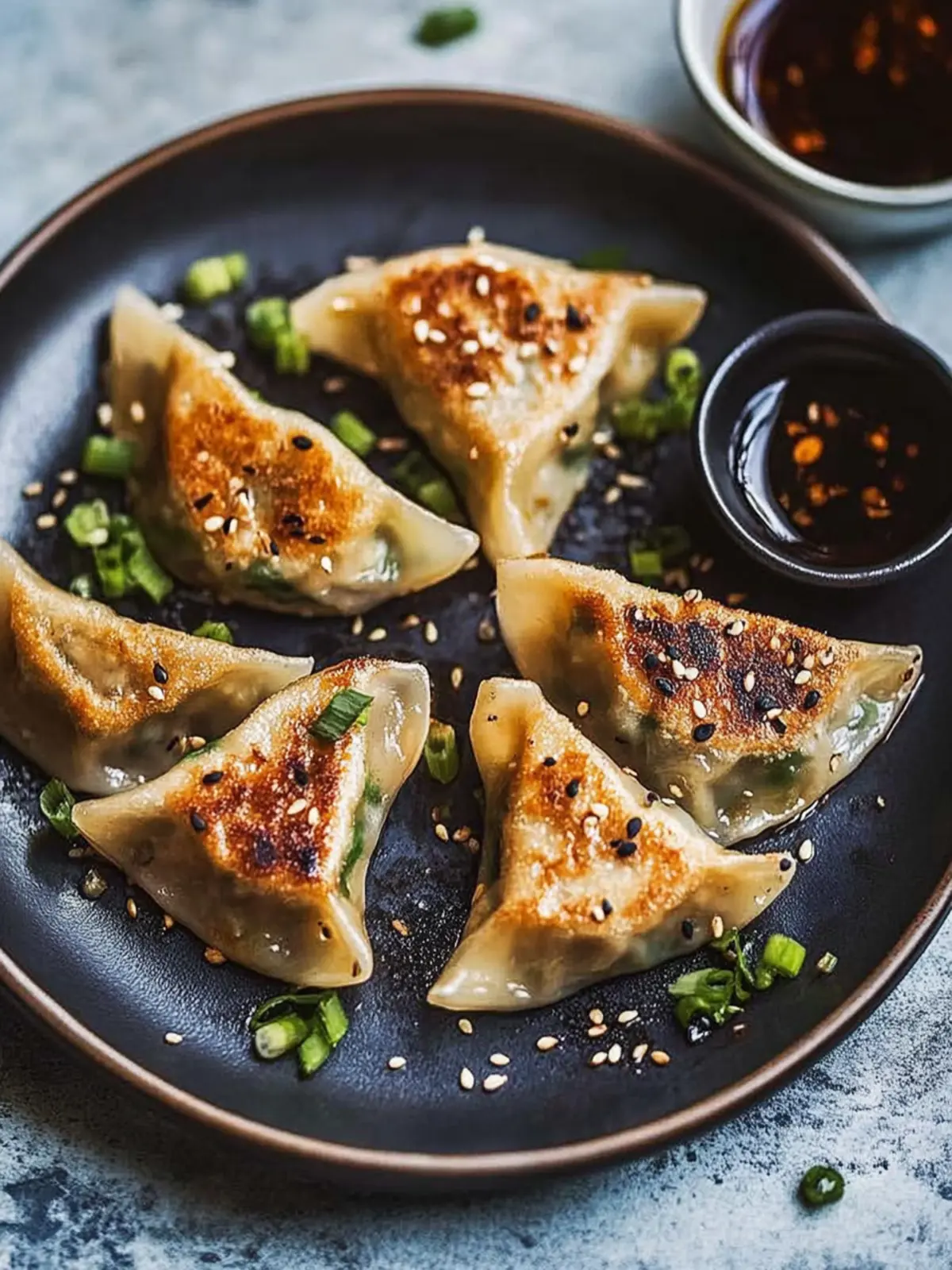
Why love Kimchi Napjak Mandu today?
Simplicity and Flavor: These dumplings are easy to make using everyday ingredients.
Versatile Dish: Whether served as an appetizer or a main dish, they fit perfectly into any meal setting.
Crowd-Pleaser: Packed with the irresistible taste of kimchi, they boast a flavor that appeals to all palates.
Freezer-Friendly: Prepare batches ahead of time simply freeze them and cook directly from the freezer.
Crispy Goodness: The flat shape ensures a delightful crunch that transforms every bite into a savory celebration.
Elevate your next meal with this amazing recipe, and don t forget to check out my guide for making various delicious dumplings that bring joy to your table!
Kimchi Napjak Mandu Ingredients
For the Dumplings
Wonton Wrappers These create the perfect base for your dumplings; opt for square 3-inch wrappers for easy folding.
Dangmyeon (Korean Glass Noodles) Adds a delightful texture; if unavailable, feel free to substitute with any fine noodle.
Kimchi The star ingredient for flavor; use well-aged kimchi for a spicy kick, adjusting to your heat preference.
Scallions Offers a fresh crunch in both the filling and as a garnish; can be swapped with chives for a toned-down taste.
For Seasoning
Gochugaru Korean red pepper flakes that add both heat and vibrant color; you can use crushed red pepper as an alternative.
Soy Sauce Provides umami richness and saltiness to the filling; substitute with tamari if you’re looking for a gluten-free option.
Sesame Oil Infuses a nutty aroma; any neutral oil can work as a substitute for frying.
Prepare to create mouthwatering Kimchi Napjak Mandu and embrace the joy of homemade dumplings!
How to Make Kimchi Napjak Mandu
Prepare Dipping Sauce: Combine soy sauce, vinegar, sugar, and water in a small bowl; set aside for flavors to meld while you prepare the dumplings.
Cook Noodles: Bring water to a boil, add the glass noodles, and cook for about 8 minutes, until tender. Drain, rinse with cold water, and chop them finely.
Make Filling: In a mixing bowl, combine the chopped noodles, kimchi, scallions, gochugaru, soy sauce, sesame oil, and a pinch of sugar. Adjust the seasoning to your taste, ensuring a delightful fusion of flavors.
Assemble Dumplings: Take a wonton wrapper, place about 2 teaspoons of the filling in the center. Moisten the edges with a bit of water, fold over to seal tightly, and place on a lined baking sheet.
Boil Dumplings: In a large pot of boiling water, gently drop in the dumplings. Cook them until the wrappers are shiny and float to the surface, which will take about 2 minutes.
Fry Dumplings: Heat oil in a skillet over medium heat and fry the boiled dumplings until they are golden brown and crispy on both sides, about 3-5 minutes per batch.
Garnish & Serve: Once fried, transfer the dumplings onto a plate, then sprinkle with additional scallions, gochugaru, and flaky sea salt. Serve immediately with your dipping sauce for a perfect accompaniment.
Optional: Serve alongside steamed rice for a complete meal experience!
Exact quantities are listed in the recipe card below.
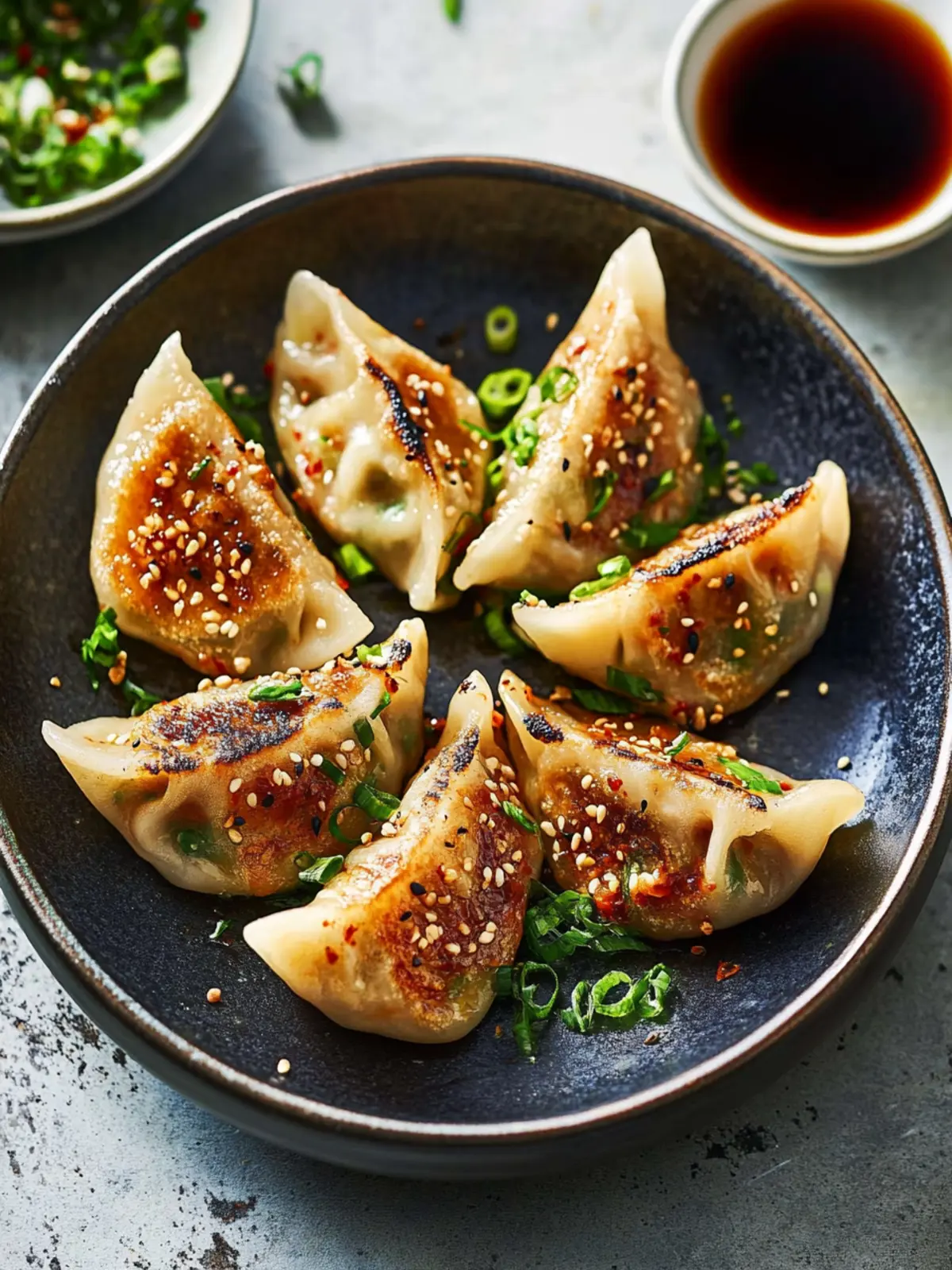
How to Store and Freeze Kimchi Napjak Mandu
Fridge: Keep cooked Kimchi Napjak Mandu in an airtight container for up to 3 days; reheat in a skillet to restore crispness.
Freezer: Freeze uncooked dumplings on a baking sheet for easy preservation up to 2 months. Once frozen, transfer to a freezer bag.
Reheating: Cook unmelted dumplings directly from the freezer in boiling water for 2 minutes, then fry for that crispy finish.
Storage Tip: Always ensure your kimchi is well-drained before mixing to prevent sogginess in these delicious flat dumplings.
Variations & Substitutions for Kimchi Napjak Mandu
Feel free to let your creativity shine by customizing these delightful dumplings for your taste buds!
- Tofu: Substitute tofu for the glass noodles to create a protein-rich filling perfect for vegetarians.
- Mushroom Medley: Replace kimchi with sautéed mushrooms and spinach for a milder, earthy twist.
- Gluten-Free: Use rice wrappers instead of wonton wrappers to make this recipe gluten-free without sacrificing flavor.
- Add Cheese: Incorporate a bit of mozzarella or cream cheese into your filling for a creamy surprise in every bite.
- Heat Variations: Sprinkle in some fresh minced jalapeños or serrano peppers if you’re craving an extra kick!
- Herb Infusion: Mix in fresh cilantro or basil into the filling for a fragrant and fresh herbaceous note.
- Sauce Swap: For a zesty twist, use a spicy chili garlic sauce in place of soy sauce for a tangy punch.
- Vegetarian Kimchi: If you’re looking for a plant-based option, choose a vegetarian-friendly kimchi made without fish sauce for the perfect flavor balance.
Explore these variations and discover new flavor dimensions in your Kimchi Napjak Mandu adventure!
Expert Tips for Kimchi Napjak Mandu
Perfect Wrapping: Ensure to moisten the edges of the wonton wrapper thoroughly before sealing to prevent any leaks during cooking.
Use Well-Drained Kimchi: For the best filling texture, always use well-drained kimchi. Excess moisture can lead to soggy dumplings.
Freezing Technique: If you plan to freeze your Kimchi Napjak Mandu, freeze them in a single layer on a baking sheet before transferring to a bag to maintain their shape.
Adjusting Spice Levels: Remember to taste your filling before assembling the dumplings. Adjust the gochugaru according to your spice preference, as different kimchi can vary in heat.
Double Frying Magic: For an extra crispy finish, consider frying your dumplings twice. First, boil, then fry until golden brown for the ultimate crunch.
What to Serve with Kimchi Napjak Mandu?
Delightful and crispy, these Korean flat dumplings can be elevated into a full meal with the perfect accompaniments.
Steamed Rice: The classic companion, fluffy rice balances the bold flavors of the mandu beautifully.
Spicy Kimchi Salad: A fresh salad adds a crunchy texture and a zesty kick, enhancing the taste experience. Toss some cucumber and radishes with your favorite kimchi for a quick mix.
Sesame Spinach: Sautéed spinach drizzled with sesame oil brings a nutritious aspect to your meal, contrasting nicely with the crispy dumplings.
Korean Cucumber Pickles: Tangy and refreshing, these pickles cut through the richness of the dumplings, making every bite a celebration of flavor. Their crunch is irresistible!
Miso Soup: A warm bowl of miso soup complements the meal perfectly, wrapping up the experience in cozy umami-rich flavors.
Soju or Makgeolli: For drinks, a glass of chilled soju or a refreshing cup of makgeolli elevates the gathering, adding a traditional touch.
Let your taste buds explore these exciting pairings to create a delightful dining experience with Kimchi Napjak Mandu!
Make Ahead Options
These Kimchi Napjak Mandu are perfect for busy families wanting to save time without sacrificing flavor! You can assemble the dumplings up to 24 hours in advance; simply prepare and fill them, then cover with plastic wrap and refrigerate to keep them fresh. If you prefer longer storage, freeze the uncooked dumplings for up to 2 months. When you’re ready to enjoy your homemade dumplings, cook them directly from frozen there’s no need to thaw by boiling first until they float, then frying for that perfect crispy texture. This way, your Kimchi Napjak Mandu will taste just as delicious as when freshly made, ensuring that busy weeknights can still be flavorful and satisfying!
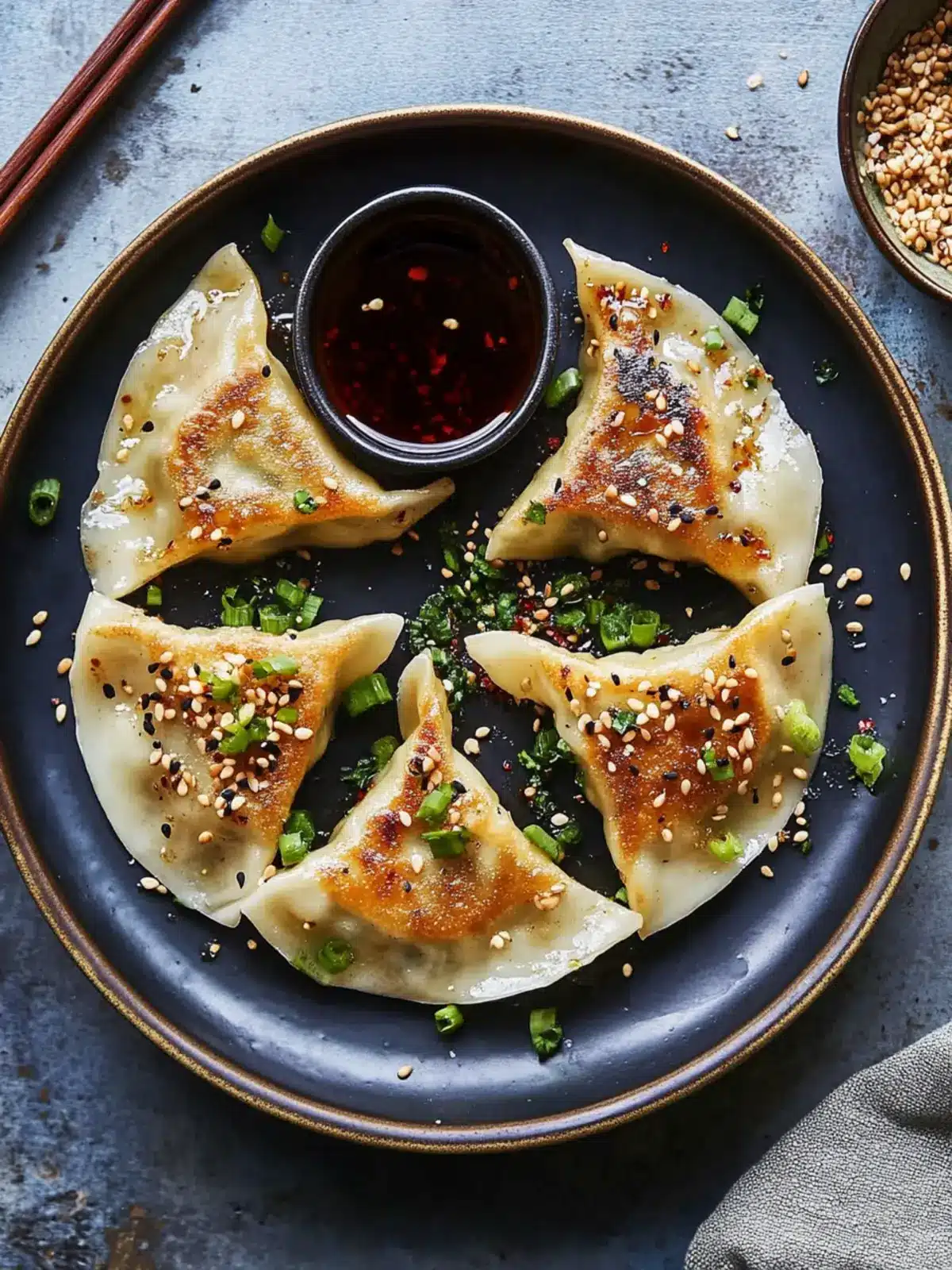
Kimchi Napjak Mandu Recipe FAQs
What type of kimchi should I use for the filling?
Absolutely! For the best flavor in your Kimchi Napjak Mandu, I recommend using well-aged kimchi. This means looking for kimchi that isn t overly fresh and has developed a deeper taste typically, those with a few weeks of fermentation are perfect. Adjust the amount based on your heat preference; some kimchi can be quite spicy!
How should I store leftover cooked mandu?
Very! Store your cooked Kimchi Napjak Mandu in an airtight container in the fridge for up to 3 days. To reheat, simply warm them in a skillet over medium heat until crispy again. This way, you ll bring back that delightful crunch!
Can I freeze the assembled dumplings?
The more the merrier! To freeze your Kimchi Napjak Mandu, first arrange the assembled dumplings on a baking sheet in a single layer and place them in the freezer for about 1-2 hours until they re firm. Then transfer them to a freezer bag, where they can be stored for up to 2 months. Cook them straight from the freezer without thawing just boil for 2 minutes and then fry until crispy!
What do I do if the filling is too watery?
No worries! If your filling feels watery, it s likely due to excess moisture from the kimchi. Make sure to use well-drained kimchi and chop the noodles finely. If it’s still too wet, you can add a teaspoon of cornstarch or a little flour to help bind it together. Trust me, this little tweak will ensure your mandu maintains the perfect texture!
Are there any allergy considerations I should know about?
Great question! If you have soy allergies, substitute the soy sauce with coconut aminos or tamari for a gluten-free option. Always keep an eye on the ingredients in your kimchi as well, as some store-bought varieties may include fish sauce. For a vegetarian-friendly option, ensure you choose a kimchi made without seafood products. Enjoy safely!